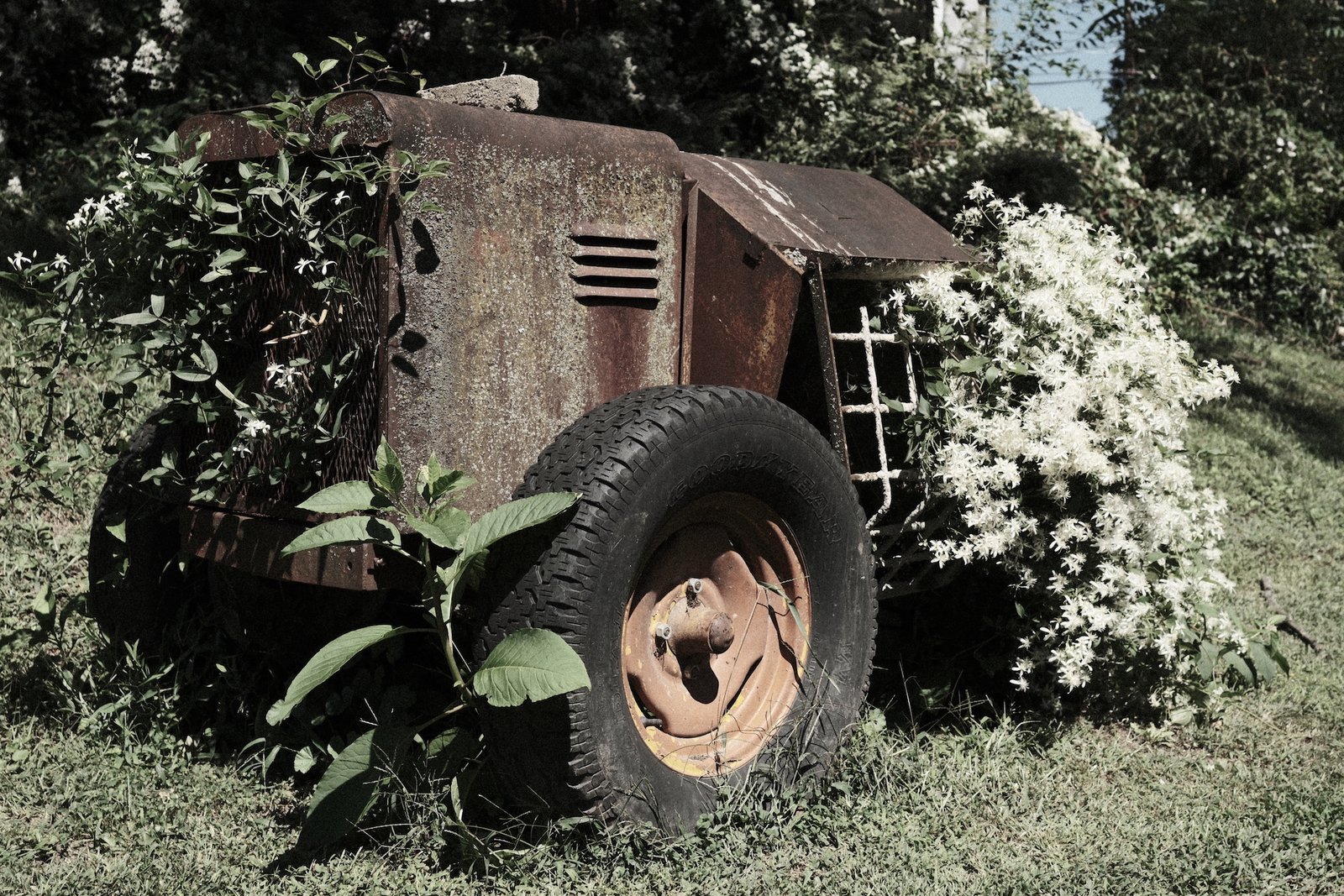
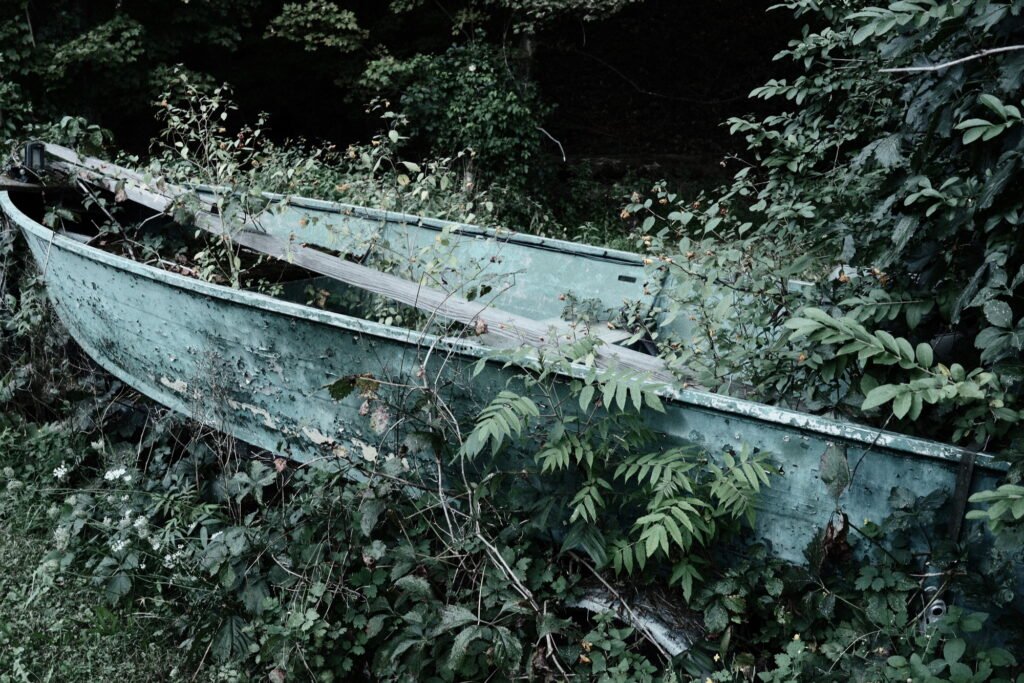
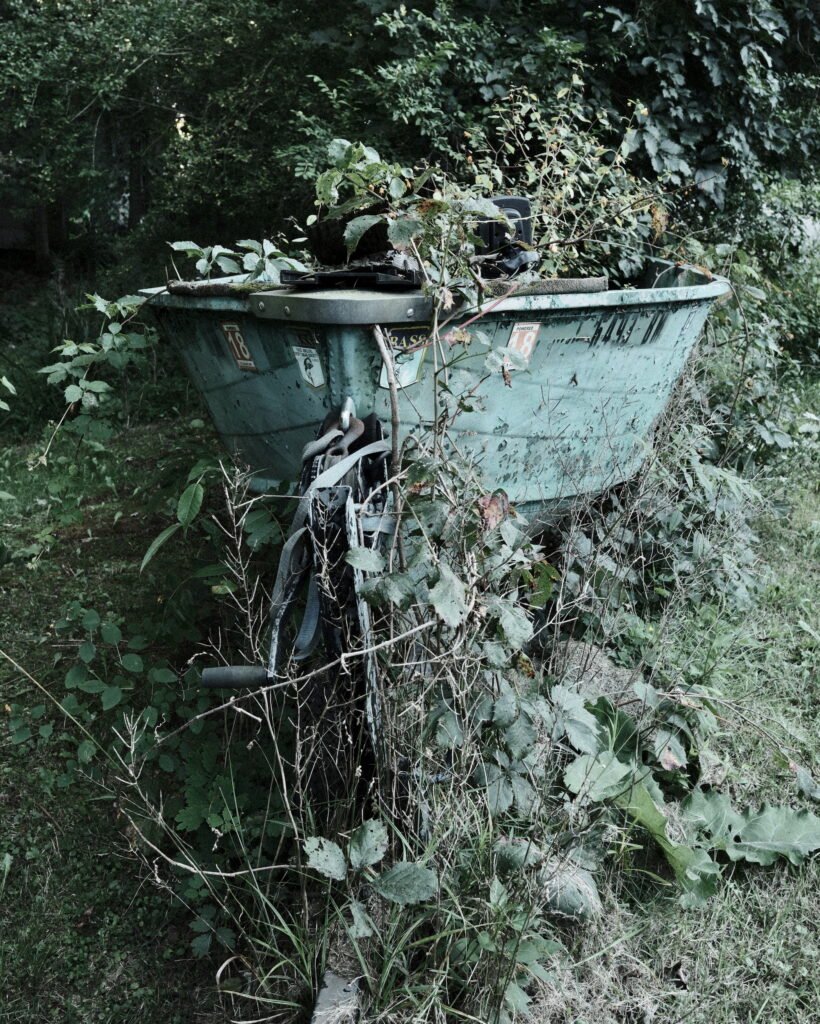
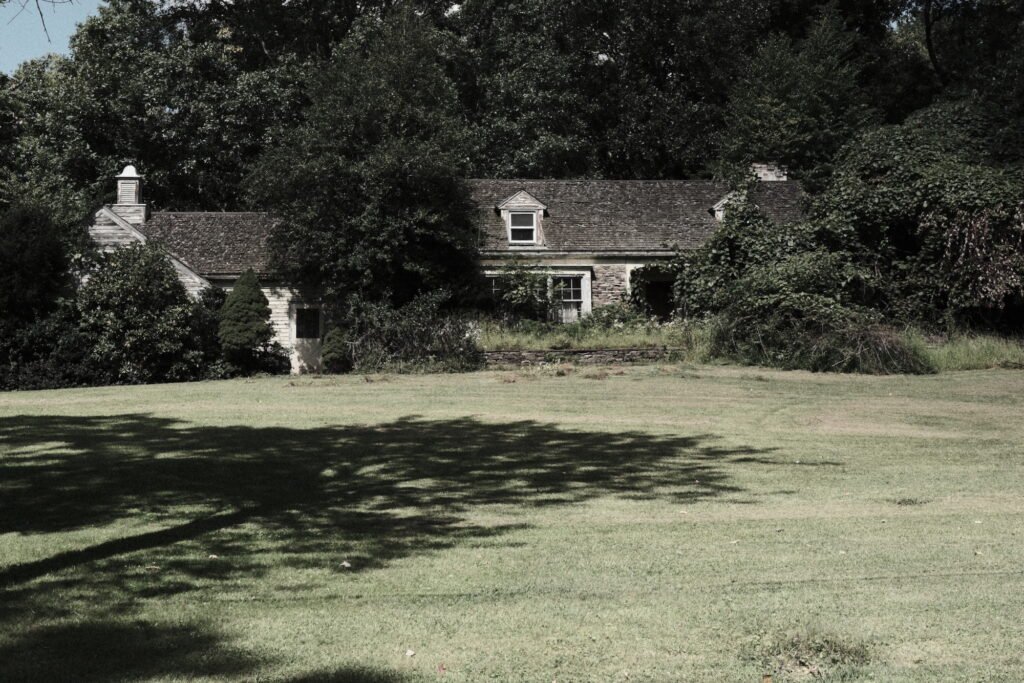
There is a profound shift that occurs when human intent steps aside and the natural world takes the lead, when nature reclaims human artifacts. In the quiet corners of our landscape, where old wooden barns slowly bow to the earth, crumbling stone foundations and walls fracture under the weight of time, and moss creeps across the rusted fenders of forgotten vehicles, a unique harmony emerges. These spaces are not ruined. They are being masterfully redesigned by nature.
To look upon an object reclaimed by nature is to witness wabi-sabi in its purest, most physical form. It is the visual realization of impermanence, showing us that nothing lasts, nothing is finished, and nothing is perfect. For a photographer, these environments are not merely subjects to record. They are invitations to slow down, breathe, and practice true mindfulness.
The Practice of Mindful Observation
When walking into a space where nature is reclaiming a human artifact, the rush of modern life instantly falls away. It requires a slow, deliberate pace. Much like forest bathing (shinrin-yoku), exploring these overlapping boundaries between human history and wild growth is a deeply sensory experience. It calls for contemplation. Take notice of details such as the damp, earthy scent of decaying wood mingling with fresh pine needles. Hear the wind whistling through cracked windowpanes and the soft crunch of overgrown brush underfoot. By allowing yourself to simply exist in this space without a frantic rush to achieve a perfect shot, your photography transforms from a mechanical act into a form of active meditation.
Finding Wabi-Sabi in the Details
When you lift the camera, look past the grand scale of the decay and focus on the quiet transitions:
- The texture of rust: A sprawling canvas of deep oranges and rough browns eating away at the smooth, polished steel of an abandoned automobile.
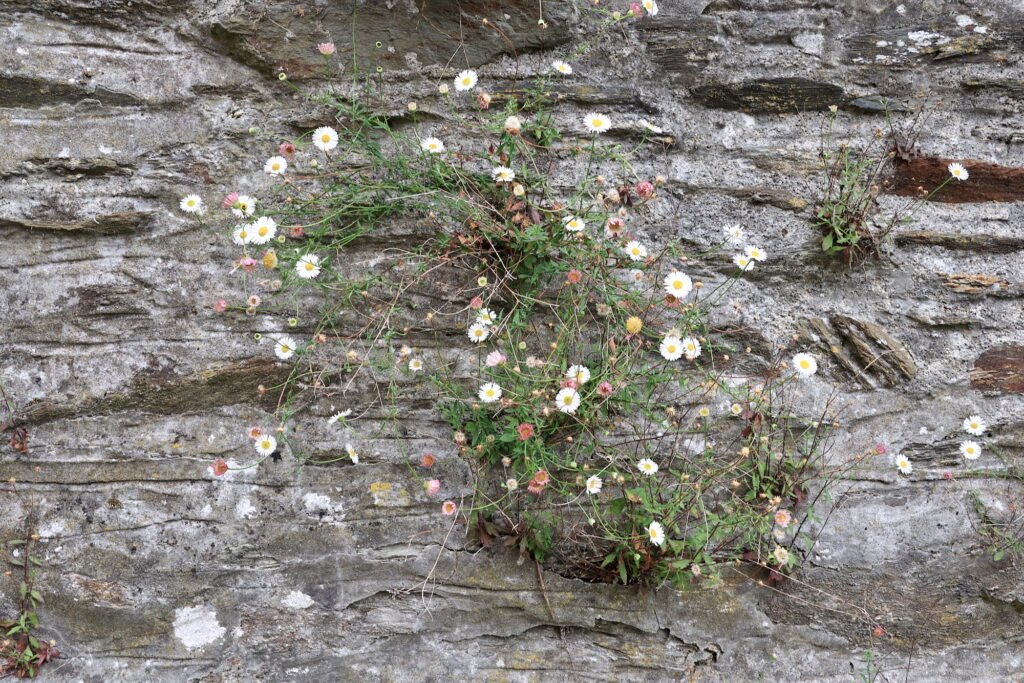
- The resilience of growth: Vibrant green ferns splitting through aged concrete, proving that life will always find a path forward.
- The soft dampening of lines: Deep green moss blanketing a collapsed roofline, softening the harsh, angular edges that humans left behind.
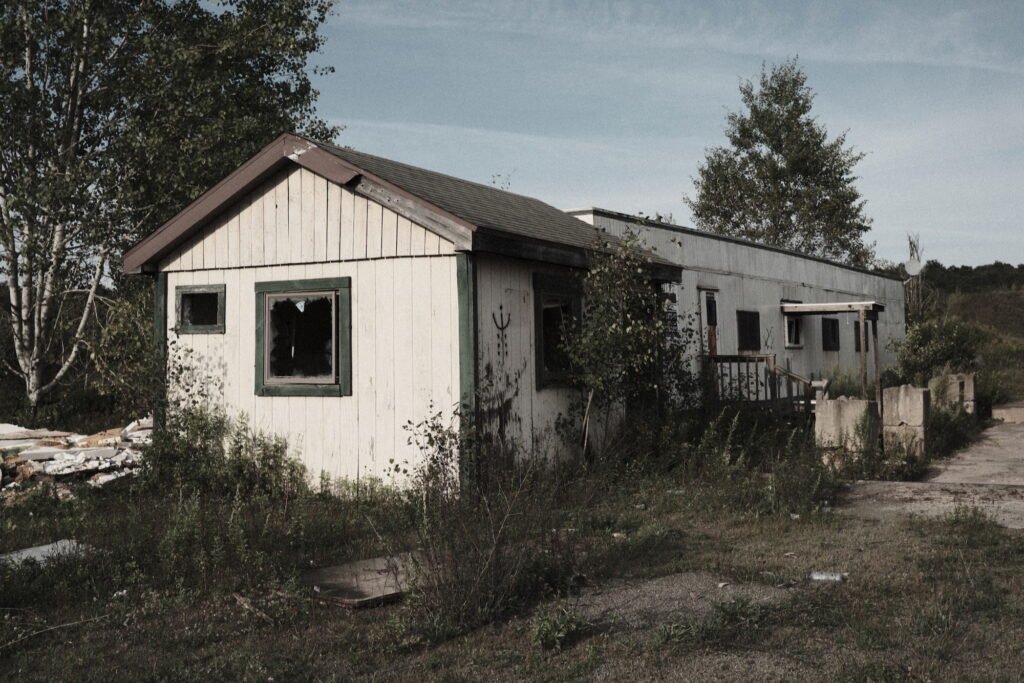
By prioritizing a straight-out-of-camera JPEG recipe and relying on the mood and tone provided by an overcast sky, mist, or soft daylight falling on your subject, your images can honor the authentic textures of the scene. There is no need to over-process or alter the frame. The natural, unpolished truth of the decay holds all the beauty and can be captured within the camera at that moment.
A Sanctuary of Transience
Ultimately, photographing the things reclaimed by nature teaches us to accept the flow of time rather than resist it. A rusted vehicle or a crumbling wall isn’t a tragic loss—it is a beautiful, evolving canvas. When we step into these spaces with a mindful lens, we aren’t just taking pictures. We are immersing ourselves in a quiet sanctuary where nature gently reminds us of our own place in the cycle of life.
📖Read Next: Visit the Forest Bathing Gallery to discover more science-backed ways that immersing yourself in the wilderness heals the body and mind.
Leave a Reply