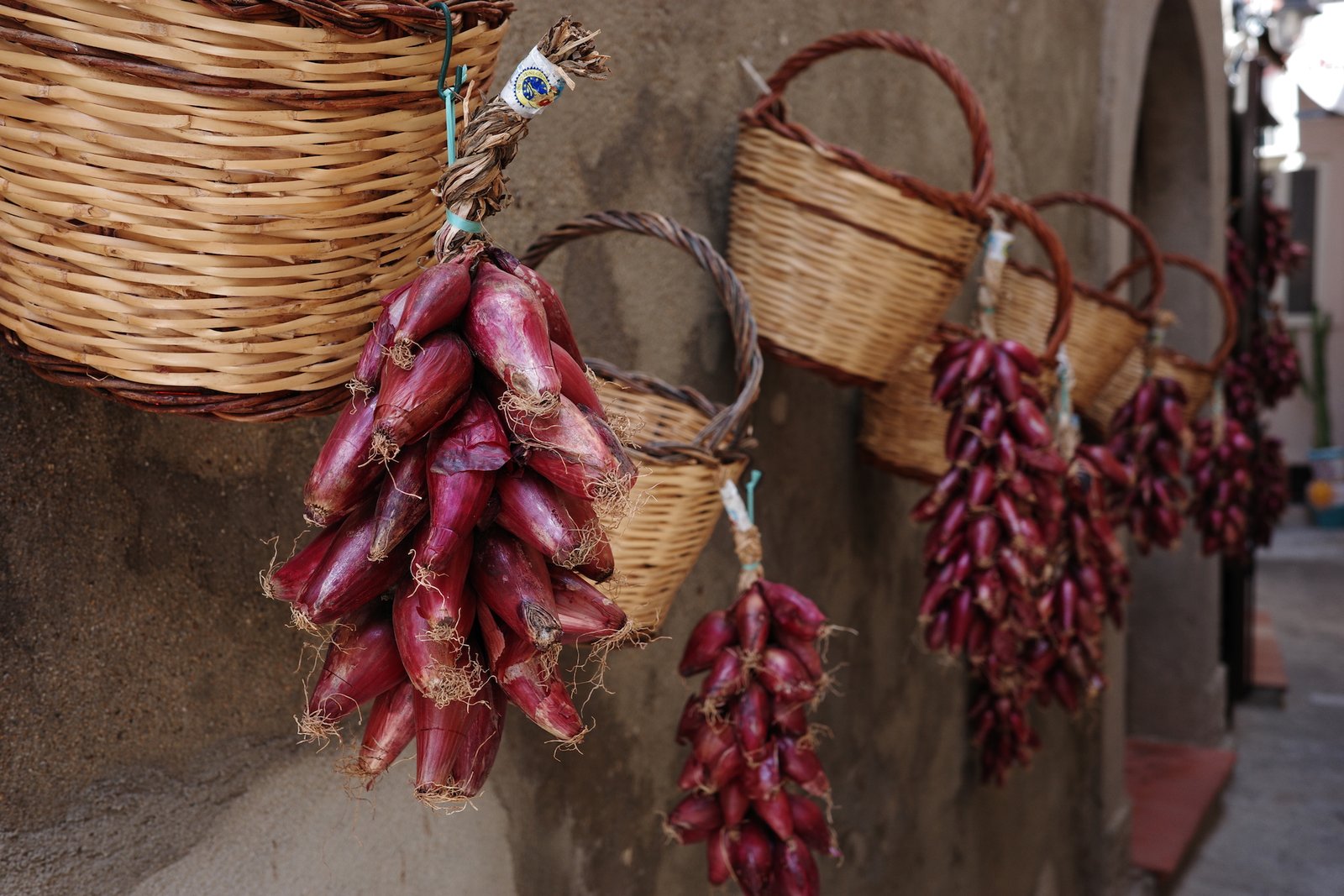
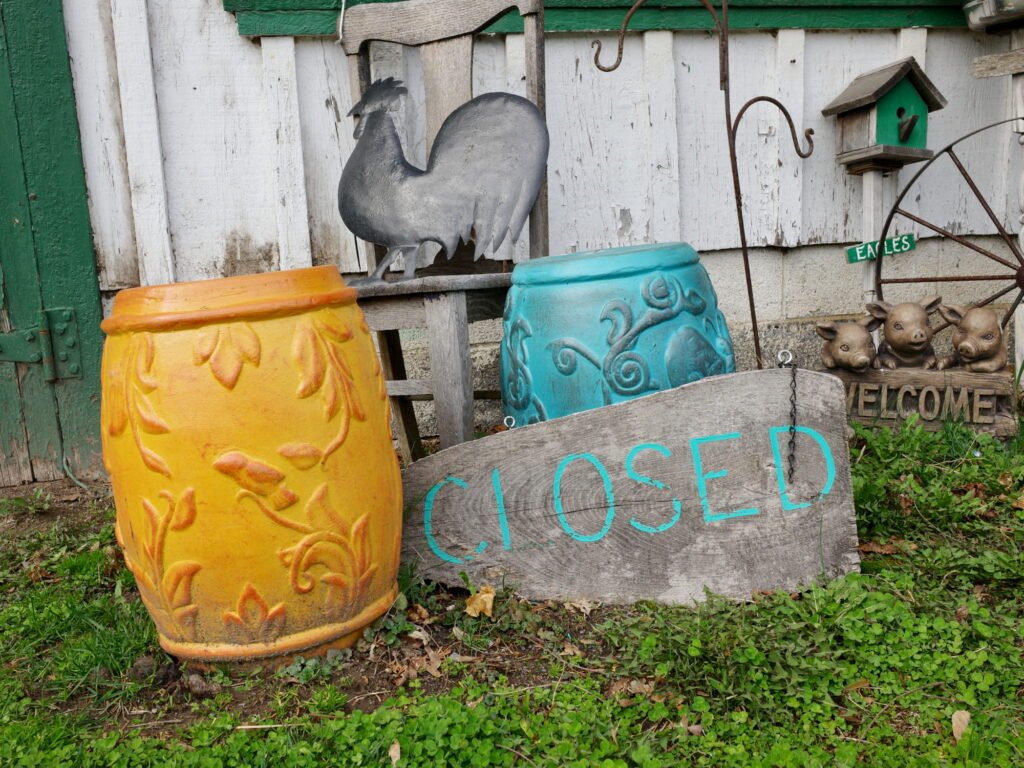
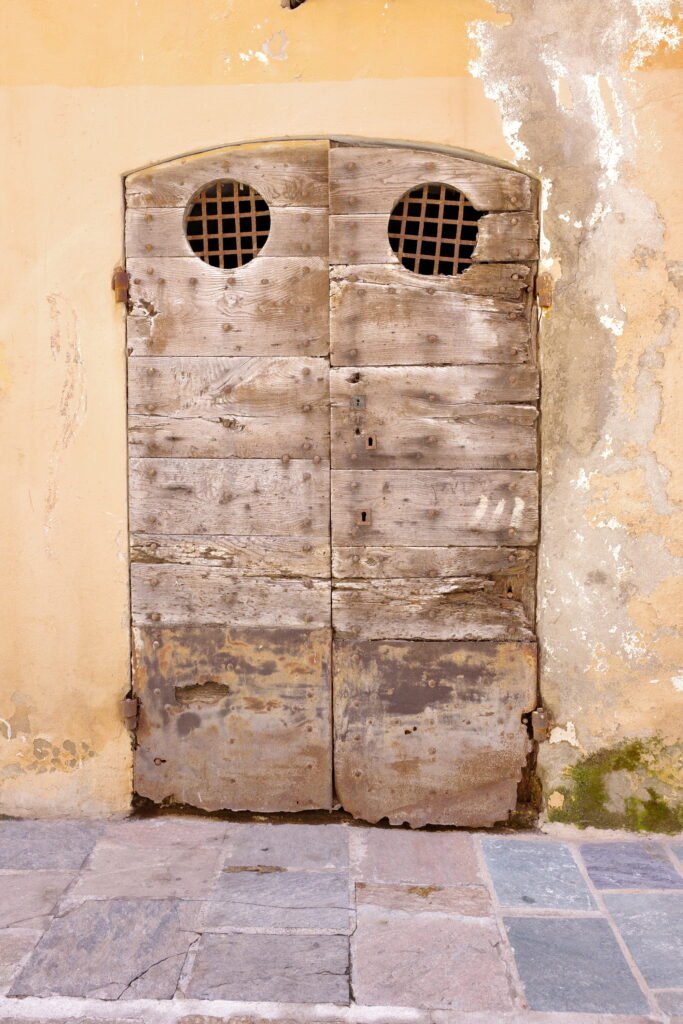
The philosophy of wabi-sabi asks us to find beauty in things that are flawed, transient, and incomplete. Forest bathing is the meditative practice of immersing your senses in forest and woodland environments to quiet the mind and reconnect with the natural world. To capture these quiet and meditative moments such as moss creeping over an abandoned gate, a cracked and fading ceramic vase with a distressed glaze, or sun-dappled light filtering through leaves in a grove of trees, you need a camera that aligns with a mindful and minimalist approach. Meet the Ricoh GR IV.
The Minimalist Tool
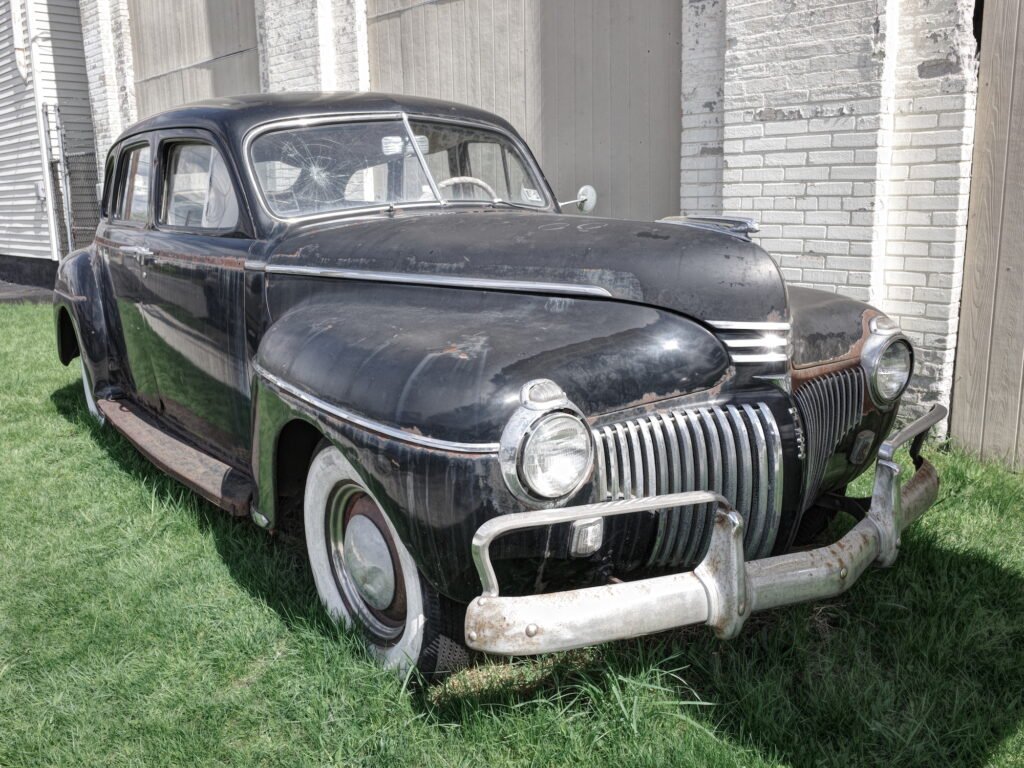
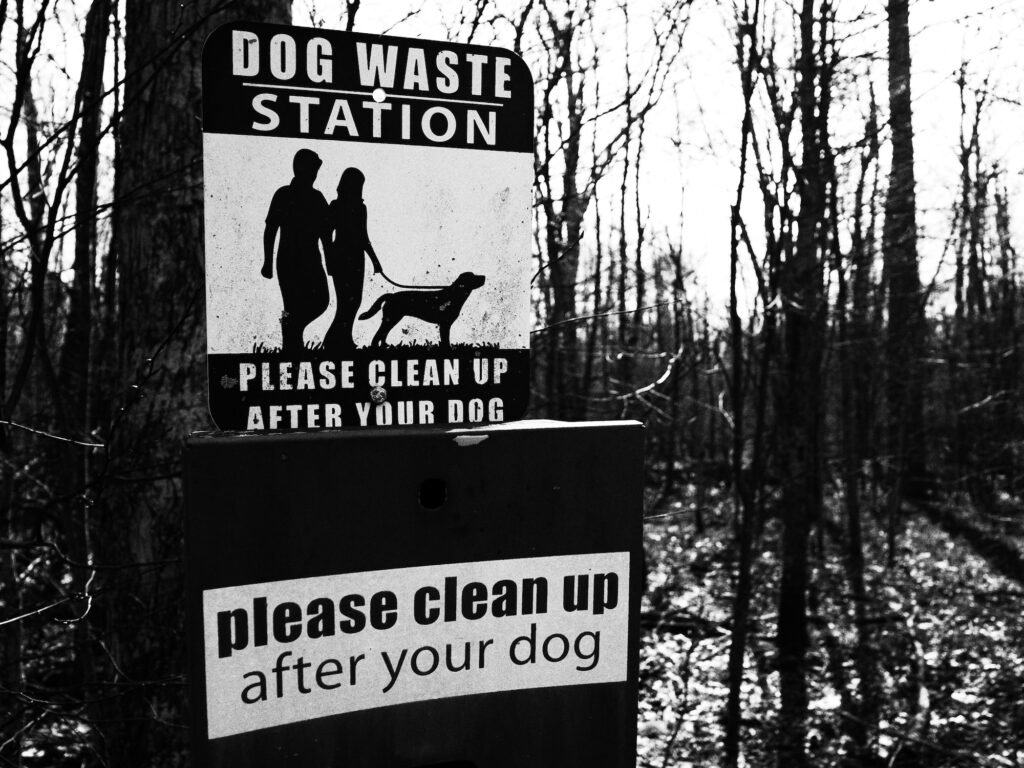
The Ricoh GR IV is the antithesis of modern, complex camera gear. It is entirely pocketable, blissfully quiet, and completely unpretentious. Rather than pulling you out of the moment to fiddle with complex menus, fuss with changing lenses, or standing behind a massive tripod, it functions as an extension of your own hand. By leaning heavily on its legendary, built-in film style image controls such as positive film and hard black and white, it strips away the desire or need to look at a computer screen. You frame, you release the shutter, and you return to your walk. It forces you to look at texture, shadow, and impermanence, capturing beautiful, straight-out-of-camera JPEGs that possess an earthy and organic soul. It is not a tool for commercial perfection, it is a tool for presence. It is superbly aligned with mindful travel street photography, Shinrin-yoku (forest bathing) essays, wabi-sabi and texture studies, and the unique blend of documentary and fine art capture of urban and rural decay.

Quick Setup Guide for the GR IV
The intention here is to give an idea of how easy it is to get started with the GR IV. It is not intended to be a detailed operation manual, just an idea of the simple process involved in getting started. The menu and controls are brilliantly laid out on the GR IV and a pleasure to work with, and this is one of the keys to its minimalist approach. Spend some time scrolling through all of the menu options to become familiar with the available actions and where they are located.
To optimize the Ricoh GR IV for quick and easy straight-out-of-camera JPEG shooting, start by choosing P (program) on the control dial on the top of the camera. In the menu choose auto white balance and auto ISO. Press the Macro/Focus button on the d-pad on the back of the camera and set Auto Focus to Multi AF. Navigate to the Shooting menu. Under file format settings, set the camera to shoot in large and fine quality JPEGS, or JPEG/Raw to preserve your full-resolution native 3:2 layout while generating instantaneous JPEG copies. Use the rear thumb dial to access the quick ADJ (Adjustment) menu and scroll to Image Control to select your desired profile recipe, such as the moody, high-contrast Hard Black and White or a vibrant color profile. It might be helpful to set this profile with Highlight-Weighted Metering to protect your highlights and push your midtones into dramatic shadows. Note that by pushing the Fn (function) button there is a whole set of parameters that can be adjusted to customize the JPEG output. Also note that the ADJ (adjustment) dial can be customized in the menu for your most used functions. Once finished with the quick setup it is time to start shooting and experimenting. Then experiment some more. Try all of the different focus options, image quality settings, tinker with white balance, explore the limits of the ISO, and sample all of the image control styles. This is the best way to become familiar with camera controls and the different image output and looks that can be created. Experiment, and then experiment some more! (See the official Ricoh Imaging website for a detailed specifications overview.)
The Pros Outweigh the Cons
Like any camera the Ricoh GR IV has pros and cons. For mindful minimalist shooting it would be really helpful for composing images to have a tilting screen. Weather sealing would be nice (but shooting one-handed with an umbrella in light rain or snow is not too difficult because of the cameras small size and light weight). A built in flash would be really convenient to have, but at least the optional Ricoh GF-2 External Flash accessory is available at a reasonable price. The camera uses a micro SD card which can be somewhat fiddly. This is also something that can be mitigated by using the built-in 53 GB of internal memory.
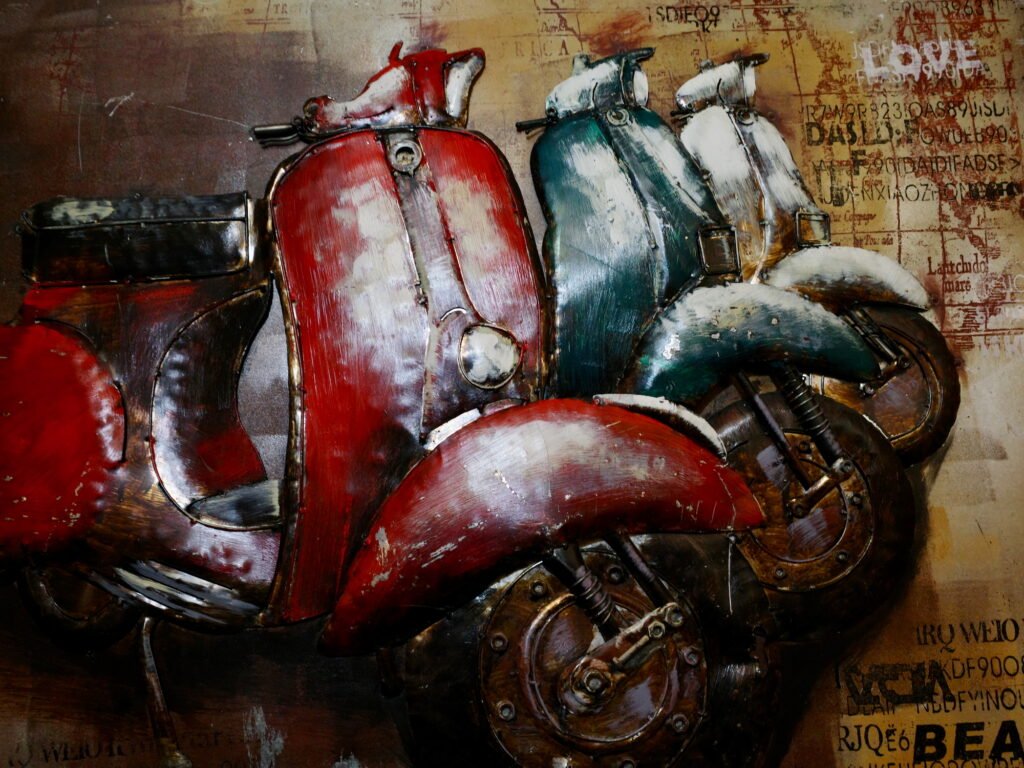
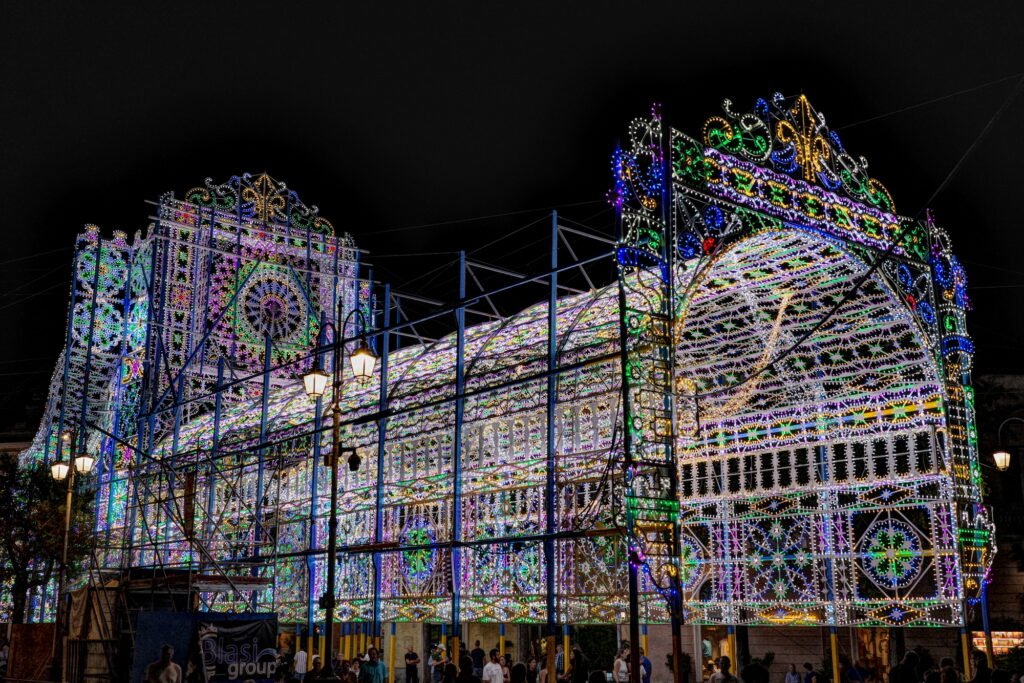
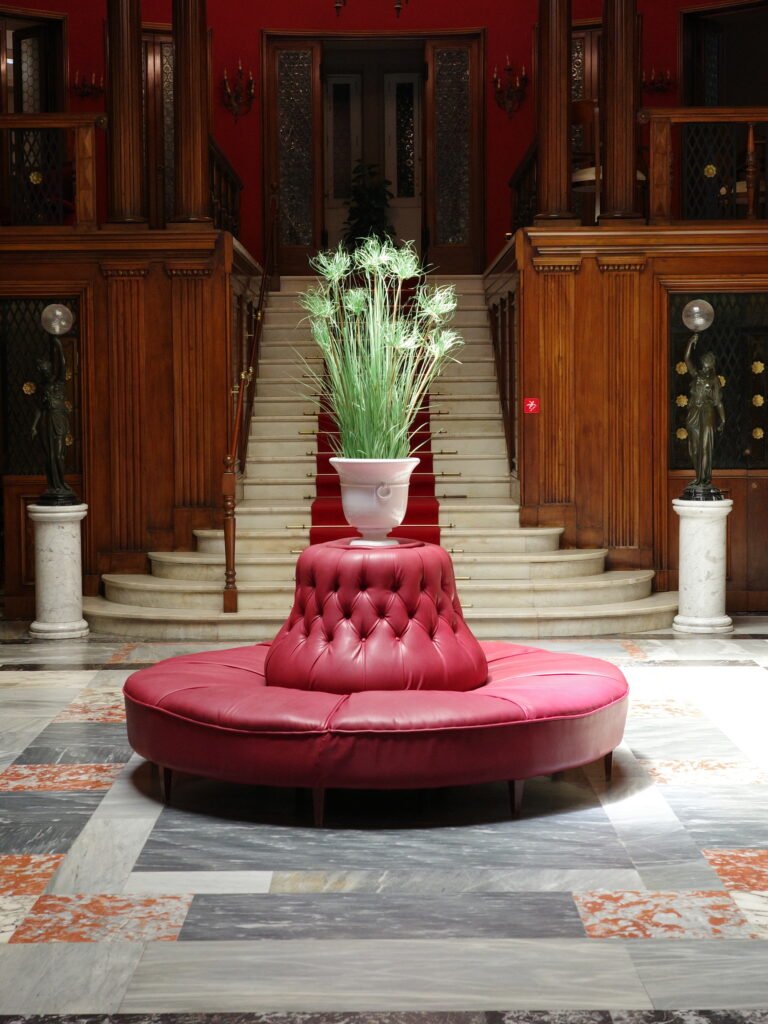
Ultimately, the pros far outweigh the cons for minimalist photography. The GR IV has an improved and very sharp lens. It is small and discreet and easy to use one-handed helped out in great part by excellent 5-axis image stabilization, an improvement over the GR III it replaces. The battery life has also been improved over the GR III, now good for approximately 250 shots. The camera has snappy operation for quick startup and street grabs. The snap focus mode is speeds up the image taking process even more. The sensor is an upgraded 25.7MP BSI sensor that produces sublime jpegs straight out of camera. Film grain can now be applied to color profiles as well as black and white images. The image controls now include Cinema Yellow and Cinema Green built to replicate cinematic movie aesthetics.
Anyone concerned about sensor dust will be happy to know that Ricoh has added a new anti-fouling and anti-static coating to the UV/IR cut filter positioned in front of the image sensor. This minimizes static charge on the sensor and drastically reduces the chances of dust particles that may have managed to enter the camera chassis from permanently bonding to the glass. Ricoh has also redesigned the DR ultrasonic vibration mechanism utilizing the modernized 5-axis sensor shift hardware. The system uses high-frequency ultrasonic vibrations to flex and shake the filter. Because the new anti-static coating prevents dust from adhering tightly, this physical vibration routine is far more effective at clearing dust on startup and shutdown. This should give some peace of mind to those concerned reported dust issues in earlier GR models.
Meet the Ricoh GR IV: The Final Word
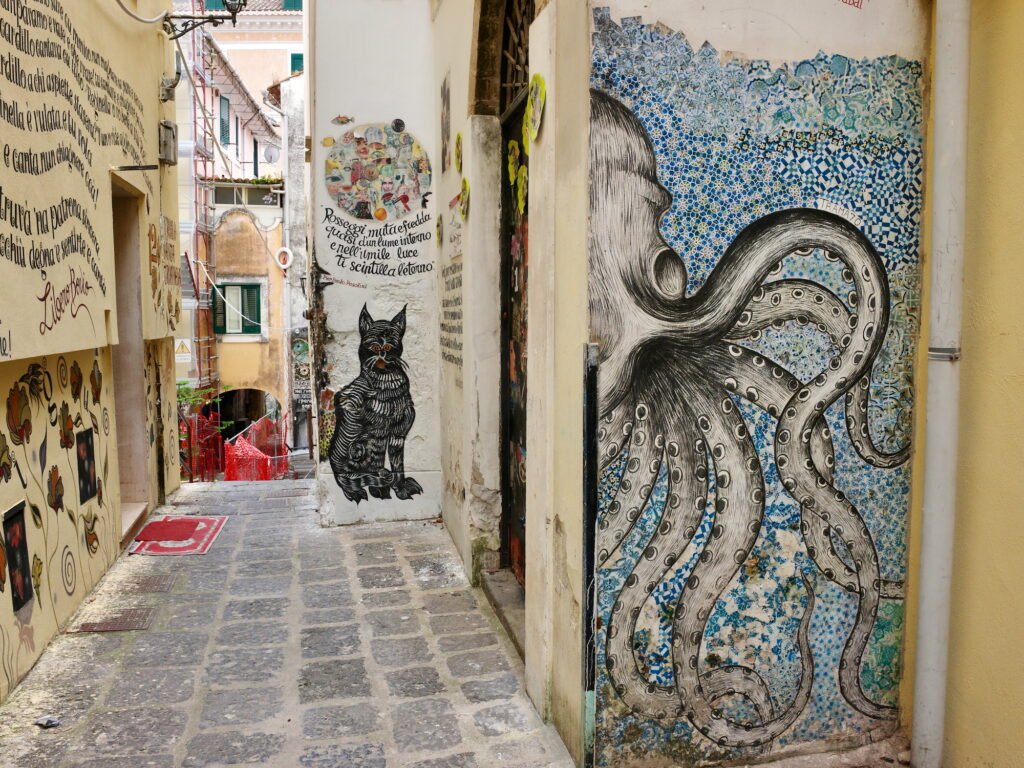
The Ricoh GR IV is simply a superb tool for mindful and minimalist photography. It has everything needed for creating fantastic in-camera jpeg images, all in one neat and tidy package. It is straightforward and not overly complicated to use. It is highly customizable for creating specific looks. And it is oh so easy to always have with you. Stick it in a pocket. Use a small pouch with a shoulder strap like the Rugged Lyra 60. Carry it in a small soft case like the Ricoh GC-11 Soft Case (my personal choice). You can discretely blend in to any environment or group without drawing unwanted attention. Everywhere you go it can be there with you, ready to photograph whatever catches your mindful eye!

Read Next: See the Wabi-Sabi Gallery for stories and images featuring the wabi-sabi philosophy and aesthetics and images taken with the Ricoh GR IV.
Leave a Reply