
From Essence to Form: The 7 Core Principles of Wabi-Sabi
In the article Discovering the Profound in Wabi-Sabi Philosophy and Aesthetics, a foundational exploration of wabi-sabi, the metaphysical anchor is explored: the three core realities that nothing lasts, nothing is finished, and nothing is perfect. While these realities offer a profound philosophical lens for viewing existence, translating such abstract truths into tangible life and design requires a more specific vocabulary. To bridge the gap between existential philosophy and practical aesthetics, Japanese tradition relies on seven core principles popularized by Zen scholar Shin’ichi Hisamatsu. These principles serve as design languages, behavioral guides, and visual frameworks, manifesting the quiet, weathered grace of wabi-sabi in physical spaces, artwork, minimalist photographs, and personal mindsets. Examining each pillar is to move from simply understanding the inevitability of change to actively celebrating it, and capturing its essence through the mindful lens.
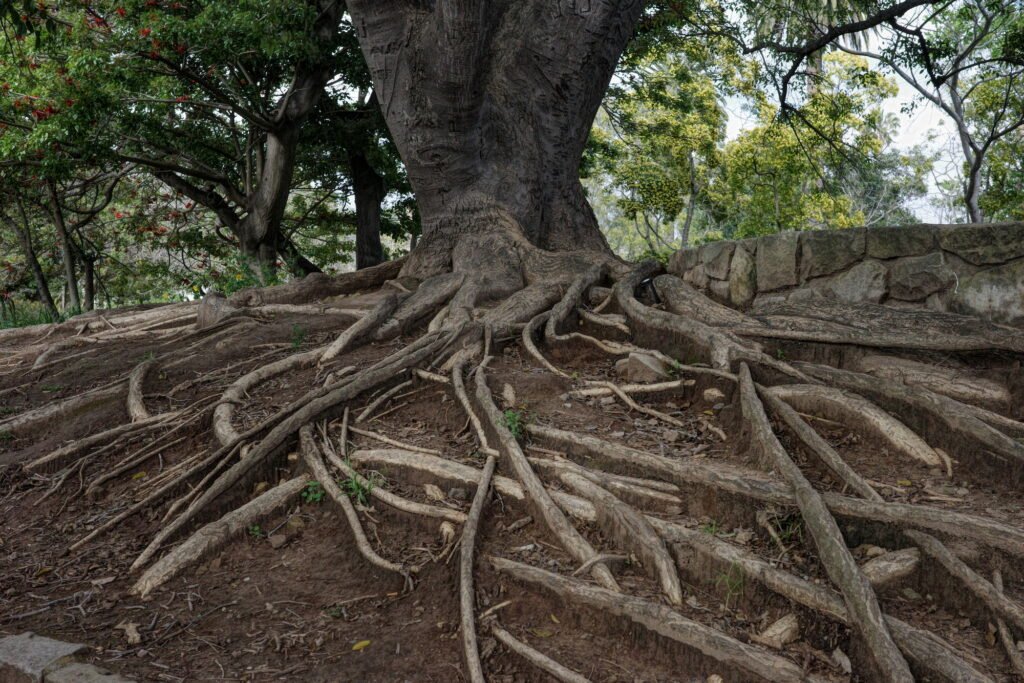
Fukinsei (Asymmetry and Irregularity)
The first principle, fukinsei, rejects the rigid Western obsession with perfect symmetry and geometric balance. In the natural world, absolute symmetry is rare. Branches grow toward sporadic light, and rivers carve jagged, unpredictable paths. Fukinsei teaches that true aesthetic dynamism and organic beauty are found in these uneven relationships. In art and design, this manifests as a deliberately off-center composition, an incomplete ensō brush circle, or a handmade Hagi ware ceramic teacup with an uneven rim. Because an asymmetrical object leaves structural room for the imagination, it invites the viewer to actively participate in completing the visual narrative, fostering an intimate bond between observer and artifact.

Kanso (Simplicity and Clarity)
Kanso dictates the deliberate elimination of clutter, excess, and superficial decoration. It is not an exercise in cold, clinical minimalism, but rather an intentional cultivation of clarity through omission. By removing everything non-essential, the inherent qualities of what remains—such as the raw grain of an old wooden table or the quiet presence of an empty corner—are elevated and allowed to breathe. Kanso reminds us that life and design are naturally profound, but easily obscured by unnecessary complications. Practicing kanso means trusting that a single wildflower in a modest vase carries far more emotional weight and resonance than a highly manicured, overwhelming arrangement.
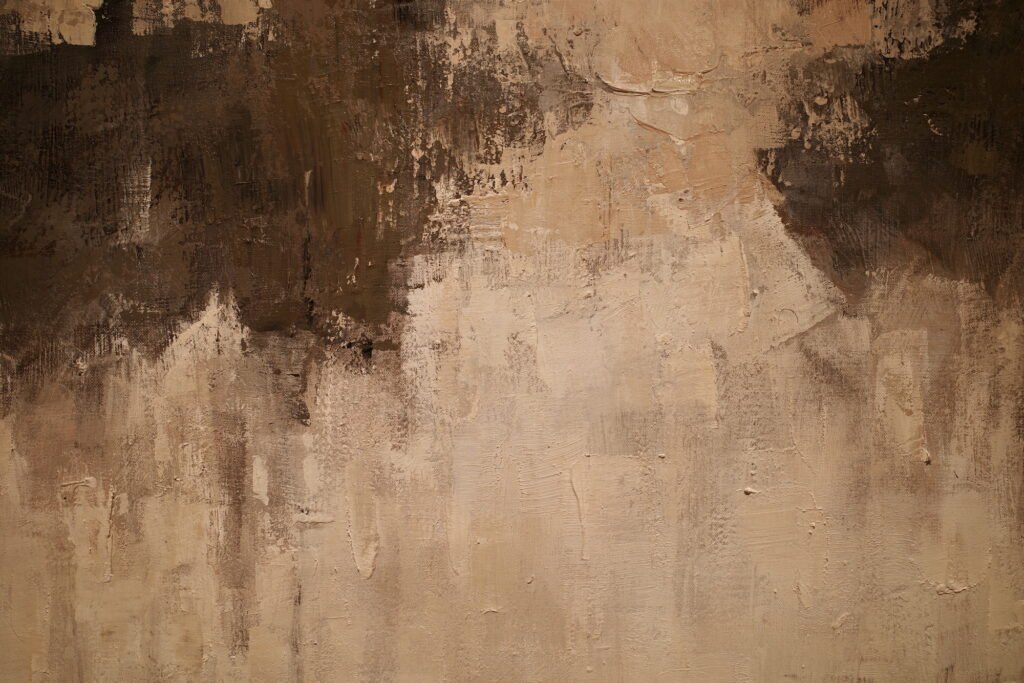
Koko (Austere Sublimity and Weathering)
Koko captures the profound beauty that emanates strictly from age, restraint, and historical wear. Unlike items that lose their appeal as they degrade, objects infused with koko gain depth and character through the unavoidable passage of time. This principle is visually anchored by the rustic patina on unpolished metal, the growth of moss on an outdoor stone lantern, or the gentle splintering of a weathered barn door. Koko strips away the glossy, deceptive veneer of newness to expose the raw, unyielding essence beneath. It is a challenge to look beyond immediate superficiality and appreciate the honorable scars of survival and usage.

Shizen (Naturalness Without Pretense)
In Japanese aesthetics, shizen translates to naturalness, but it carries a much deeper meaning than just “nature.” It specifically refers to nature operating spontaneously, free from human interference, and without pretense or forced design. It requires that an object or human behavior feel completely authentic and aligned with the laws of nature, even when crafted or practiced deliberately. In a home, shizen is realized by choosing raw, untreated materials like rough stone, live-edge wood, and unrefined linen over highly processed synthetic materials. A garden designed with shizen in mind avoids forced geometric hedges, opting instead to guide the natural inclination of plants so the space looks discovered rather than rigidly constructed. The traditional English landscape or cottage garden is the ultimate Western expression of shizen.

Yugen (Subtle Profundity and Hidden Grace)
Yugen is the aesthetic value of hidden suggestion and mystery, prioritizing what is left unsaid or unseen over what is entirely obvious. It is the beauty of a valley partially obscured by morning mist, or the soft golden shimmer of a lacquered bowl illuminated only by a single candle thread. Yugen avoids flashy, high-contrast imagery that demands immediate attention, choosing instead a subtle, understated elegance that reveals its intricate depth slowly over time. By leaving elements intentionally dark, suggested, or partially hidden, yugen evokes a profound sense of wonder, a reminder that the deepest truths of our existence are felt rather than explicitly seen.
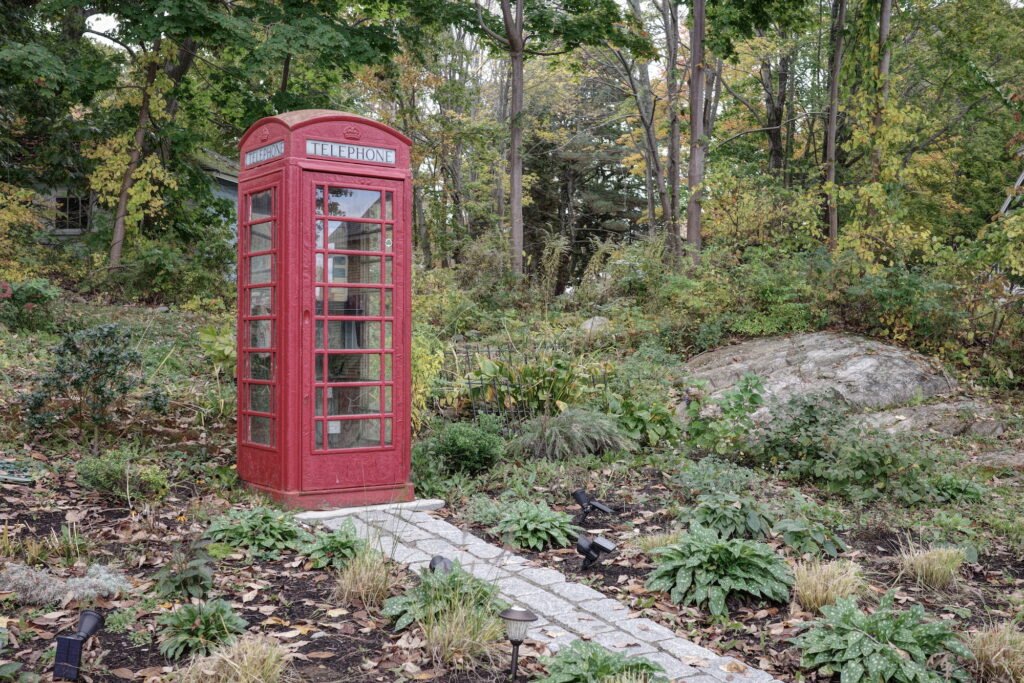
Datsuzoku (Freedom from Convention)
Datsuzoku represents a profound breakthrough from routine, habit, and the strict constraints of societal expectations. It introduces an element of surprise, unconventionality, and playful irregularity into an otherwise ordered existence. When an artist or designer practices datsuzoku, they transcend the predictable formulas of their craft to create something beautifully unexpected, like using an old, cracked container as a celebrated planter through the art of kintsugi. Datsuzoku frees us from the exhausting prison of perfectionism, giving us permission to step away from the ordinary and embrace our own unique irregularities.
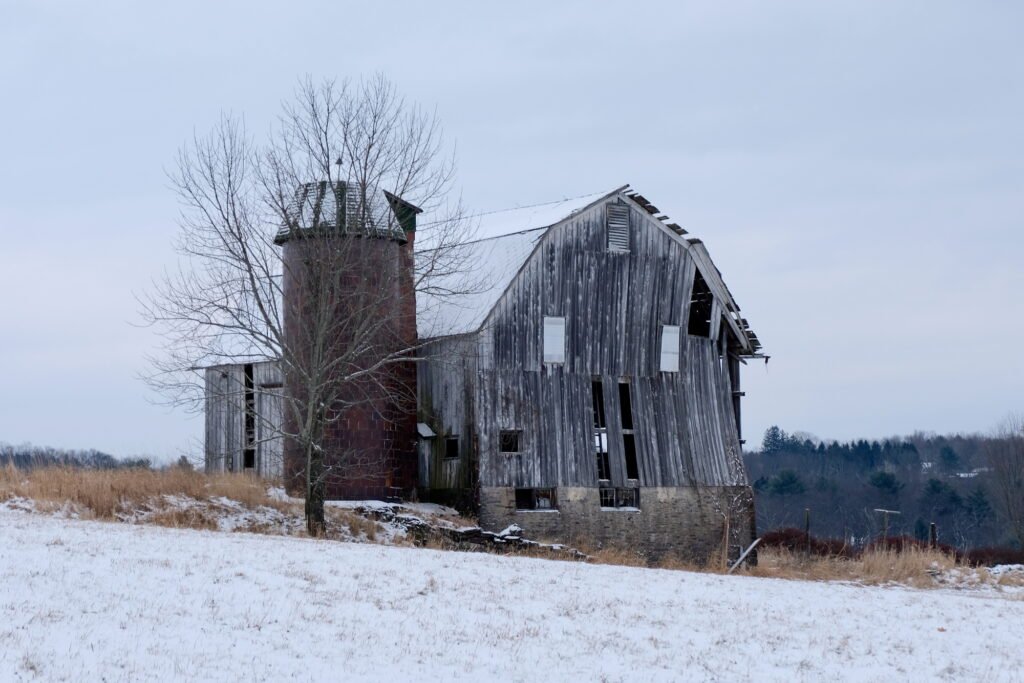
Seijaku (Tranquility and Inner Silence)
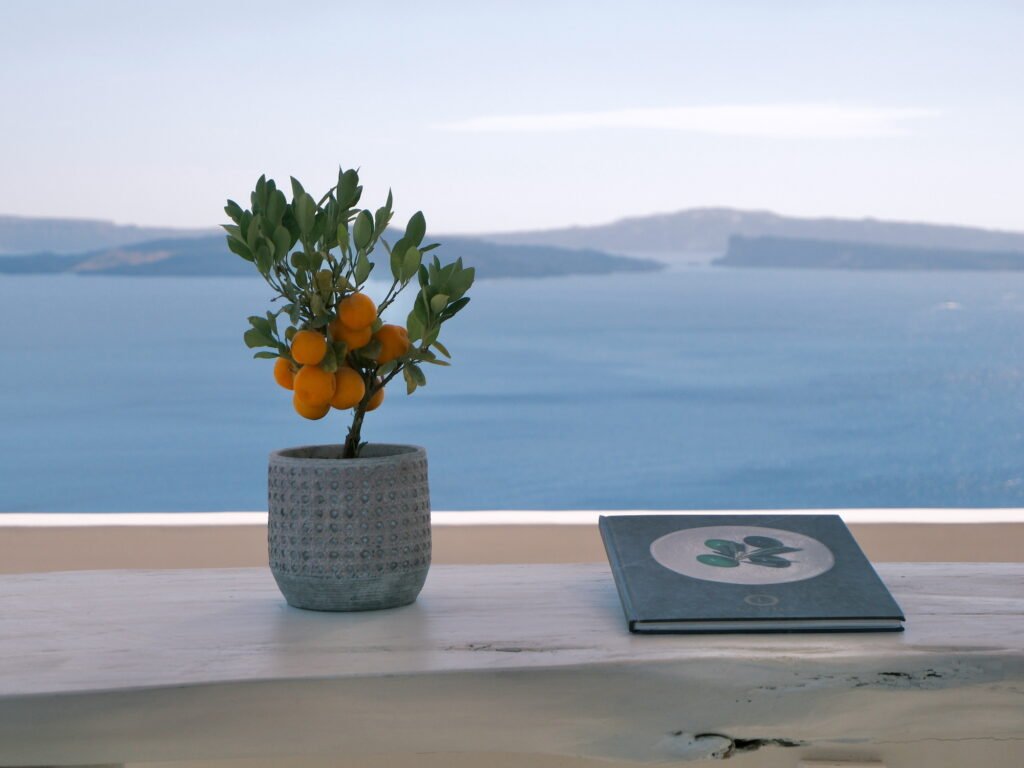
The final principle, seijaku, is the ultimate manifestation of tranquility, stillness, and quietude. It is not merely the absence of external sound, but an active, resonant peace that emerges in a mindfully curated environment. Seijaku is the soothing atmosphere generated when fukinsei, kanso, koko, shizen, yugen, and datsuzoku align perfectly. It can be found in the absolute stillness of a Zen rock garden or the meditative pause between steps in a traditional tea ceremony. Seijaku offers a much-needed shelter from the frantic noise of modern life, allowing for quiet thoughts, grounded awareness, and contentment.
The Wabi-Sabi Workflow: Embracing Kanso and Seijaku in the Field
In modern digital photography, it is easy to fall into the trap of endless post-processing, spending hours behind a computer screen trying to perfect a raw file. True wabi-sabi art, however, is born out of creative constraint. By aiming for Straight Out of Camera (SOOC) JPEGs, or images with minimal post-processing, the camera becomes a tool for active mindfulness rather than a mere data collector.
This deliberate commitment to the unaltered frame honors two core principles:
- Kanso (Simplicity) in Execution: Selecting a single film simulation recipe, picking an unyielding black-and-white profile, or locking in a fixed prime lens strips away choice fatigue. By choosing to let go of endless raw editing options later, you simplify your mental workspace. You stop looking at a scene for what it could be in software, and instead accept the light, the composition, and the shadows exactly as they exist right in front of you.
- Seijaku (Tranquility) in Spirit: When your goal is to finish the image directly inside the camera body, the editing room disappears. The quiet stillness (seijaku) you experience while waiting for the right light in the field isn’t lost during hours of clinical exposure tweaking on a monitor. The peace of the moment is preserved. A SOOC JPEG acts as an authentic visual receipt of a fleeting moment—imperfect, complete, and deeply serene.
Conclusion
Together, these seven core principles form the indispensable structural framework of wabi-sabi, transforming an expansive philosophy of impermanence into a practical, life-altering aesthetic. Fukinsei, kanso, koko, shizen, yugen, datsuzoku, and seijaku do not exist as isolated design rules, but rather as interconnected windows looking into the same quiet reality. They teach that beauty is not found by escaping the flaws, changes, and quiet moments of our world, but by leaning directly into them with profound reverence. By weaving these principles into physical spaces and mental habits, a sustainable state of mindfulness is cultivated, exchanging the exhausting pursuit of artificial perfection for the timeless, authentic peace of the present moment.
Recommended Reading and Resources
Expand your understanding of wabi-sabi aesthetics, philosophy, and mindful photography with these hand-picked books:
- The Wabi-Sabi Garden: Cultivating Mindfulness
- A beautiful exploration that touches directly on blending wabi-sabi perspectives with outdoor spaces, landscape shapes, and natural materials.
- Available via: Amazon Kindle Edition
- Wabi-Sabi for Artists, Designers, Poets & Philosophers by Leonard Koren
- The definitive, classic art-school text on the aesthetics of the imperfect. Highly visual and deeply focused on raw textures.
- Shop via: Bookshop.org | Amazon
- The Quiet Lens: A Photographer’s Journey into Wabi-Sabi by Joshua Gensetsu Smith
- Written specifically to bridge Japanese Zen aesthetics with the creative eye of the fine art photographer.
- Shop via: Bookshop.org | Amazon
Wabi Sabi: Japanese Wisdom for a Perfectly Imperfect Life by Beth Kempton
- A gentle lifestyle guide translating ancient concepts into accessible, daily practices and a profound connection with nature.
- Shop via: Bookshop.org | Amazon
In Praise of Shadows and Other Essays by Jun’ichirō Tanizaki
- An evocative, classic essay exploring light, darkness, and the beautiful nuance found in muted spaces—essential reading for photographers.
- Shop via: Bookshop.org | Amazon
Leave a Reply