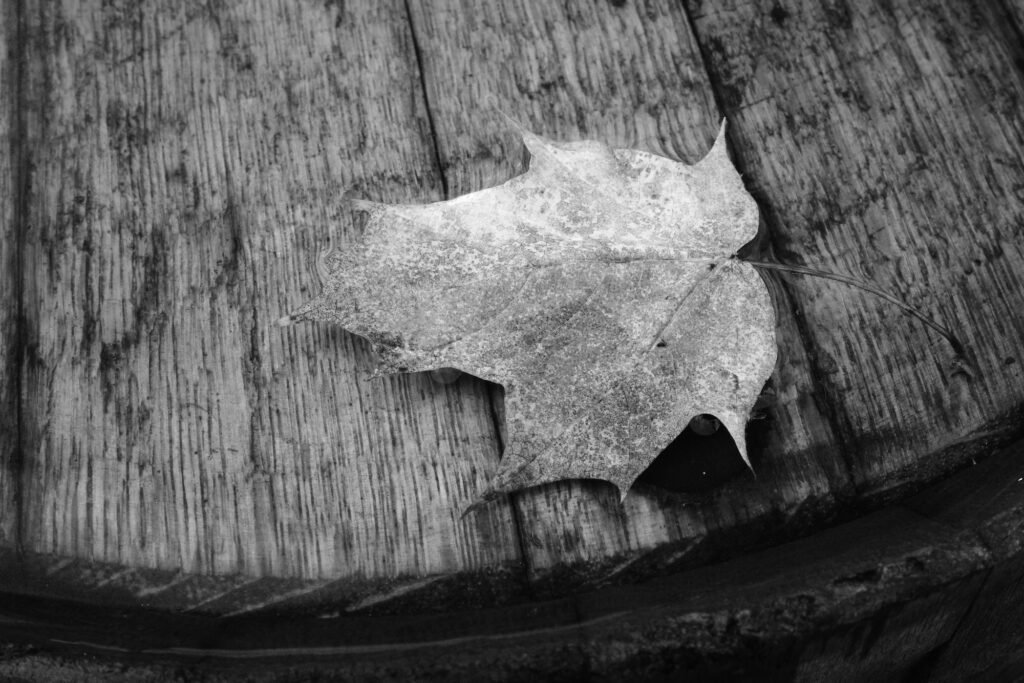
Wabi-Sabi. It is a peculiar name, but rather catchy and easy to remember. But what is it, exactly? In discovering Wabi-Sabi we need to go back to 14th century Japan when Wabi and Sabi were two distinctive concepts. Wabi was finding understated elegance, simplicity and freshness in a rustic or humble state. Sabi was the beauty and gentle grace that comes with age, wear, decay, and usage, such as observed in oxidized metal, moss-covered stones and tree limbs, or weathered wood. Put Wabi and Sabi together and they become the Japanese Wabi-Sabi aesthetic and philosophy that seeks to find and express beauty in what is imperfect, impermanent, and incomplete.
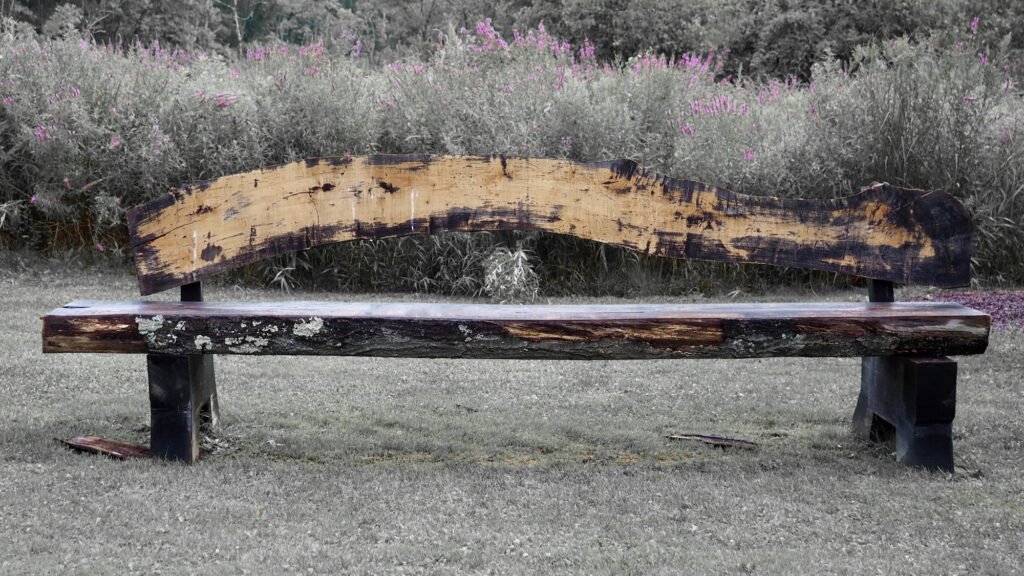
Wabi-Sabi Aesthetics and Mindfulness
The Wabi-Sabi aesthetic and philosophy have been highly regarded in Japanese artistic expression and design for centuries, and a global fascination with the philosophy has been building for decades. Words that are typically associated with Wabi-Sabi include simplicity, tranquility, serenity, austere elegance, quiet, unpolished, irregular, and transcendental.
Recently, there has been viral interest in Wabi-Sabi as a pop-culture lifestyle trend. The current popular interest is considered a backlash to modern sterile digital life with its focus on pixel-perfect resolution, flawless filters, and an emphasis on the illusion of permanent youth and clinical beauty. In contrast, Wabi-Sabi emphasizes being mindful, being fully present in the moment, aware of beauty in the imperfect, the impermanent, and the incomplete.
The Three Core Realities of Wabi-Sabi
These are the three core realities of Wabi-Sabi: Nothing is perfect, nothing lasts, and nothing is complete. In imperfection it is the flaws, asymmetry, and weathered textures that give objects and artifacts their unique character and depth or value. In impermanence, mindful awareness is focused on how all things in life change, age, decay, and eventually end. In incompleteness, mindful awareness reveals how everything is in a constant state of change or evolution rather than existing in a rigid and unchanging state.

The origins and three core realities of Wabi-Sabi date back to about the 14th century and grew out of Zen Buddhism. The Wabi-Sabi aesthetic was applied early on to the Japanese tea ceremony with a preference for hand-crafted tea bowls, tea pots, and utensils that revealed the hands of the maker in the flaws and blemishes instead of the uniformity and perfection of something mass produced by machines.
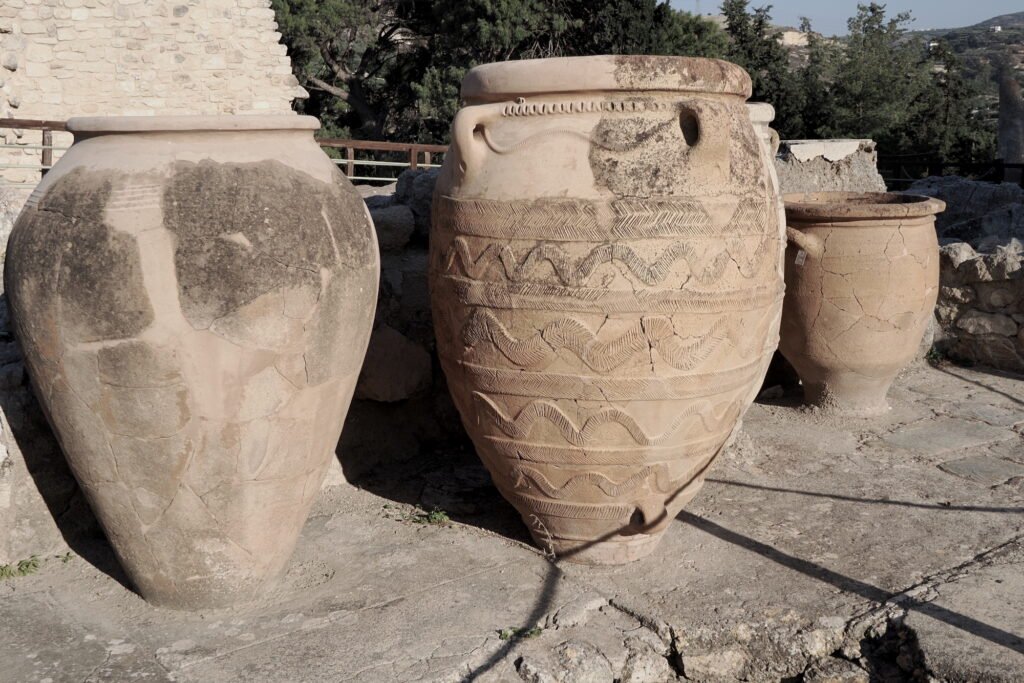
Nature, Objects, and Wabi-Sabi Aesthetics
The Wabi-Sabi aesthetic is expressed in the architecture of classic Japanese homes that use natural materials such as wood and stone that can show signs of wear and weathering, imperfections that reflect the passing of time.
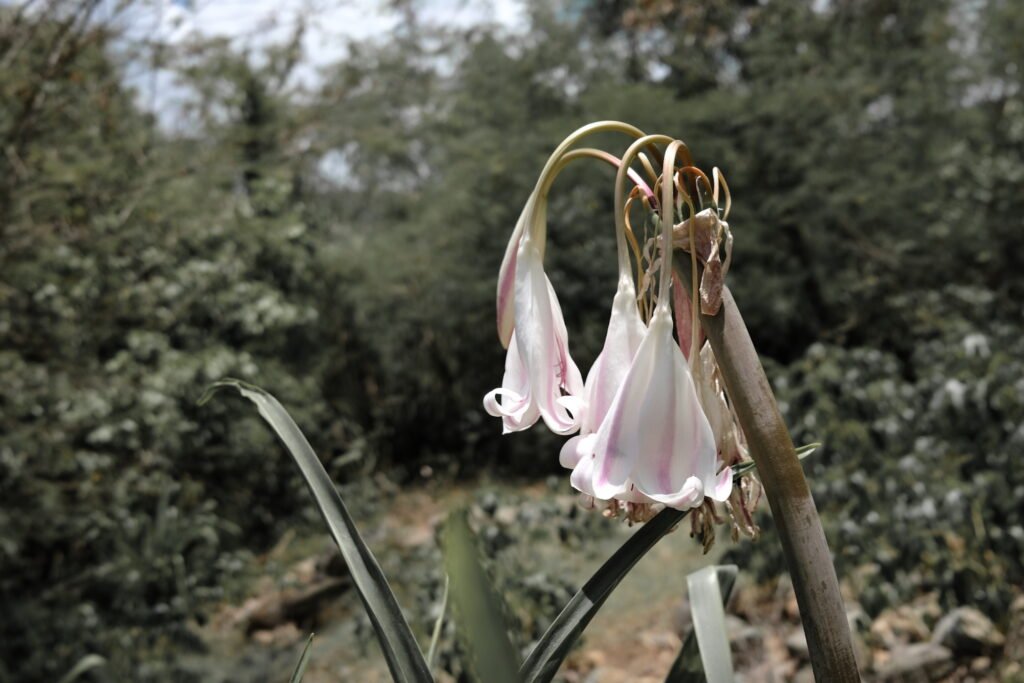
Ikebana, Japanese flower arrangement, celebrates the quiet and poetic beauty of asymmetry, imperfection, and impermanence in nature. Fallen and withered leaves in autumn or the wilting of a flower in a natural setting represents impermanence and the passing of time.
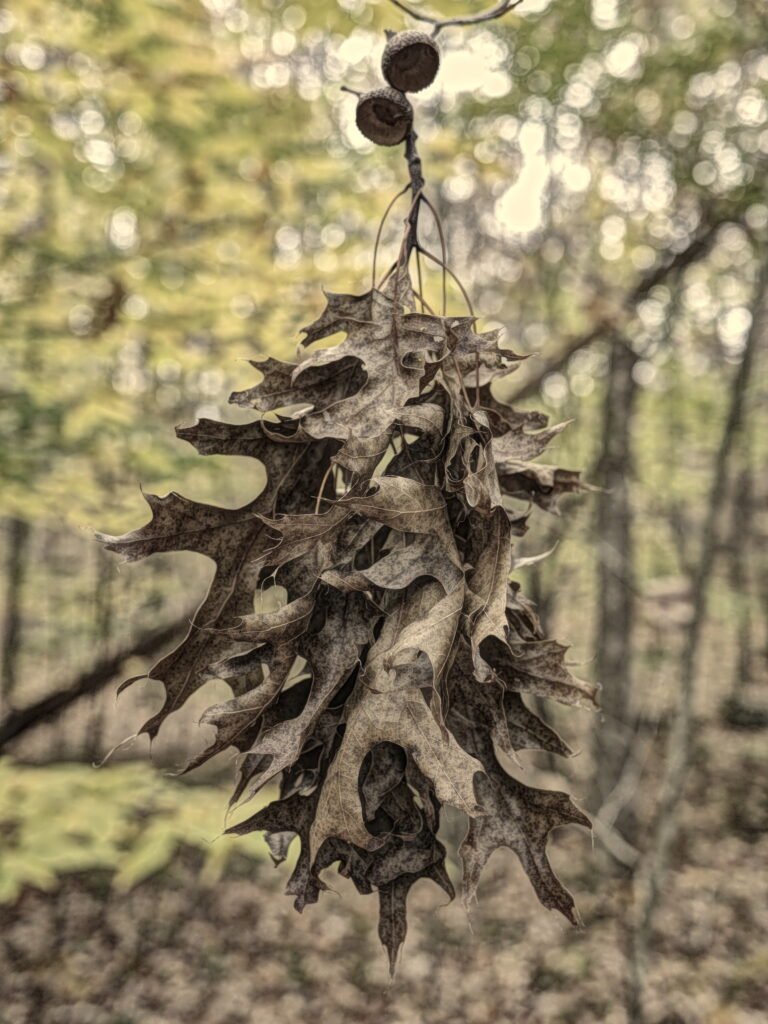
Wabi-Sabi aesthetics shift the focus in fine art paintings to simplicity in scenes of nature, and technique such as a brush stroke that may be intentionally uneven or irregular. The intent in Wabi-Sabi art is to capture the essence of a subject rather than present perfect realistic detail.
Wabi-Sabi Photography
In Wabi-Sabi photography the intent is to use a mindful approach to express profound beauty and the concepts of imperfection, incompletion, impermanence and the passage of time in captured images. A minimalist approach is recommended for shooting subjects in order to capture the look, tone and feel that express the Wabi-Sabi concepts. This is not to say images should be shot sloppily and without care for composition and lighting and graphic design elements, but rather to be mindful and in the moment as much as possible. Shooting JPEGS with the intent to get acceptable results straight out of camera is a suitable approach. A mindful approach is to create and use stylistic recipes for different looks for different situations and subjects, with post-processing limited to an occasional minor tweak such as cropping. The creative process for Wabi-Sabi photography should never be about pixel peeping for absolute digital and technical perfection in an image file. That is the antithesis of Wabi-Sabi.
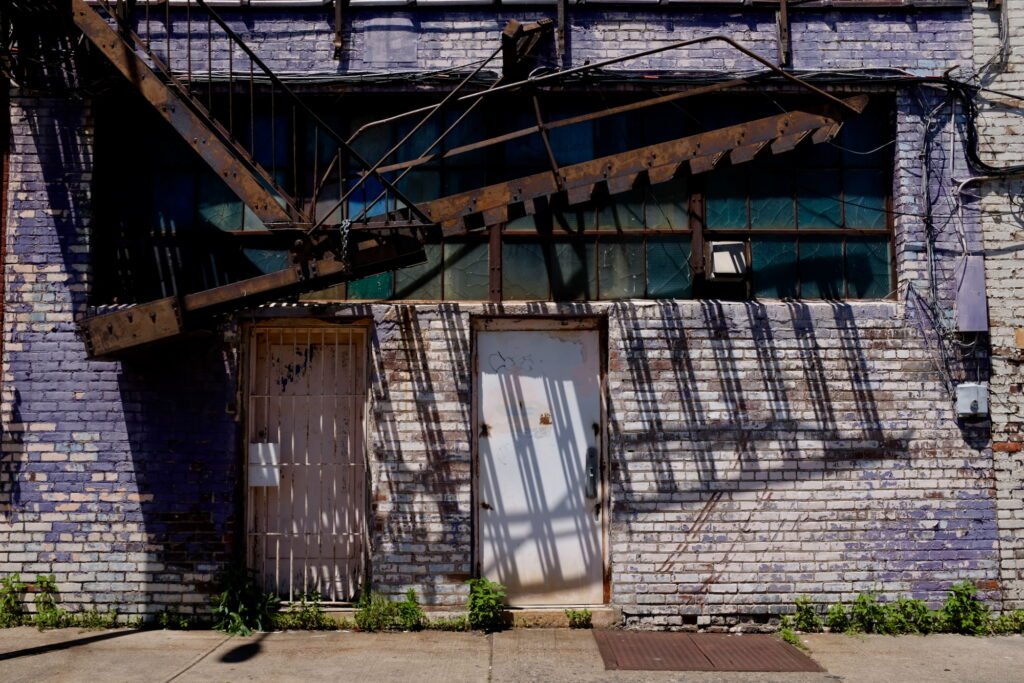
The essence of Wabi-Sabi philosophy and Wabi-Sabi aesthetics can be observed in a great variety of subjects if the observer is being mindful of the three core concepts. Nothing is perfect, nothing lasts, and nothing is complete.
Read Next: Visit the Forest Bathing Gallery to see how wabi-sabi and nature are connected.


Leave a Reply