
As the canopy of a deciduous forest shifts into a mosaic of copper, amber, and crimson, the autumn woods become more than a scenic backdrop as they transform into a living sanctuary for the soul. In the practice of shinrin-yoku, or forest bathing, this season offers a profound invitation to engage our senses completely, from the crisp, earthy scent of damp soil to the tactile crunch of fallen leaves underfoot. Using a slow pace beneath the changing treeline of a fall forest or warm-colored woods enables the ability to witness and align with nature’s transition. The fleeting autumn forest bathing landscape serves as the ultimate mirror for wabi-sabi, the Japanese philosophy that finds sublime beauty in impermanence and imperfection. To bathe in the autumn forest is to intimately understand the art of letting go, discovering that there is a quiet, breathtaking grace in releasing what is no longer meant to be held.
Embracing the Autumn Spectrum: Sensory Exercises for the Changing Woods

To fully bridge shinrin-yoku with the spirit of wabi-sabi, we must move beyond passive observation and actively engage our senses. Deciduous forests in autumn offer a rich, tactile canvas for mindfulness, shifting from vibrant growth into a season of quiet surrender. Use these sensory invitations to ground yourself in the beauty of the present moment and lean into the grace of transition, wherever your local woods may be.
Scent: Grounding in the Earthiness of Decay
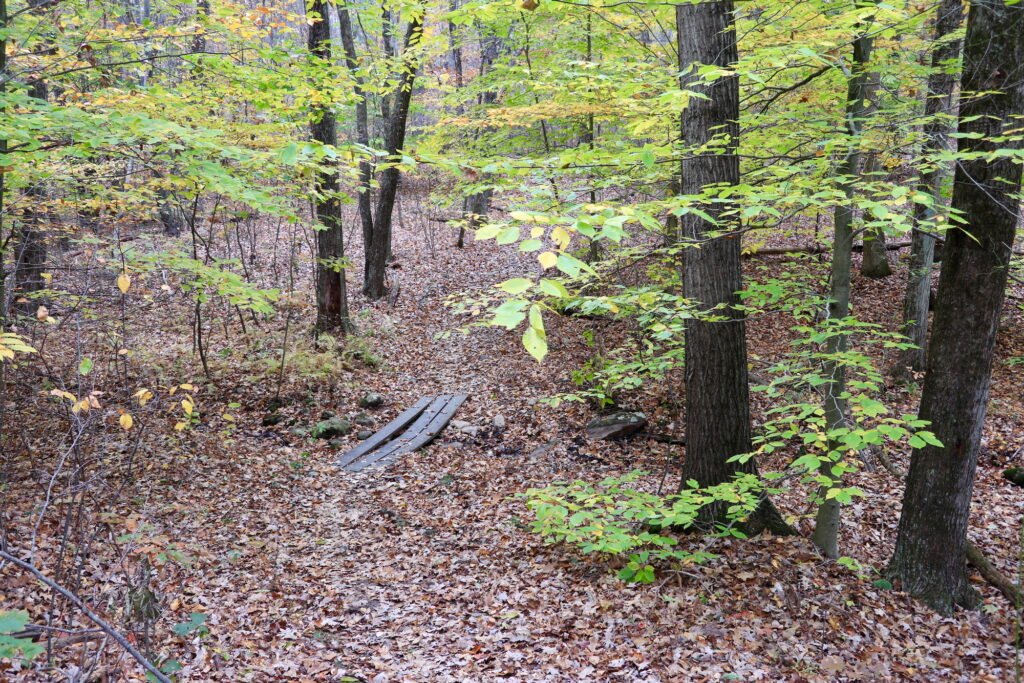
As the forest floor cools, the breakdown of organic matter releases a distinct, earthy perfume rich in grounding terpenes. Find a quiet place to sit or kneel near a bed of fallen leaves. Gently disturb the leaf litter and breathe in deeply. Notice the sharp, rustic scent of damp soil and decomposing foliage. In this breath, acknowledge the wabi-sabi truth: this decay is not a tragic end, but a necessary, fragrant pause that nourishes the earth for future spring growth.
Touch: The Tactile Textures of Impermanence
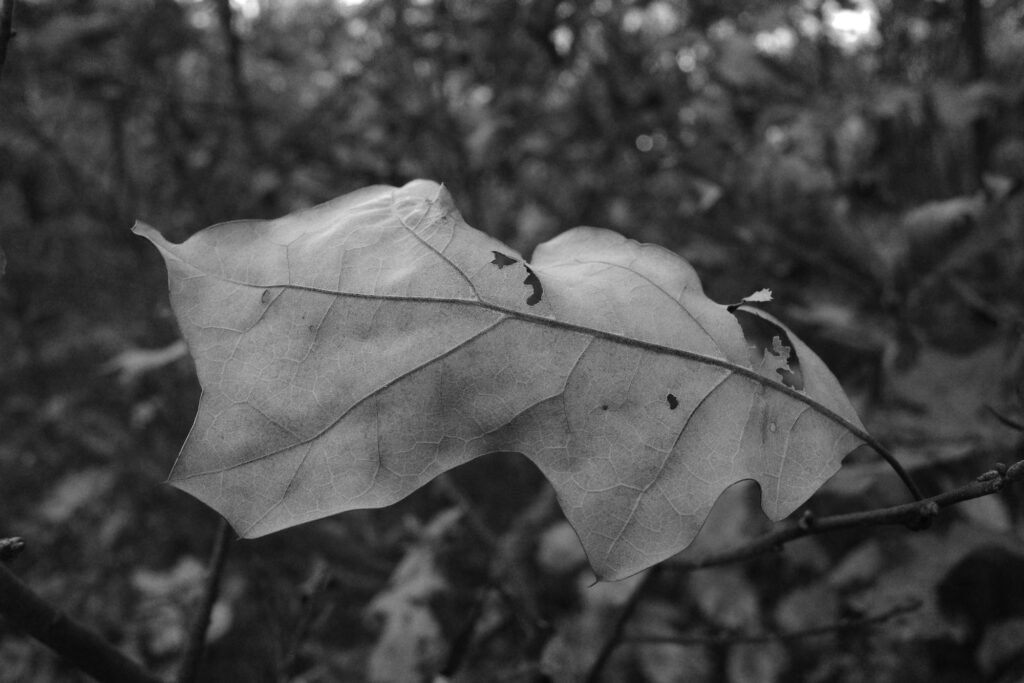

Walk slowly while autumn forest bathing and let your hands interact with the changing landscape. Reach out and touch the rough, peeling bark of an aging tree, or press your palm against the cool, velvety moss anchoring itself to a fallen log. Pick up a leaf that has already begun to curl and brown at the edges. Trace its brittle veins with your fingers, feeling the contrast between the resilient, standing timber and the fragile, fleeting nature of its discarded foliage.
Sound: Tuning into the Symphony of Release
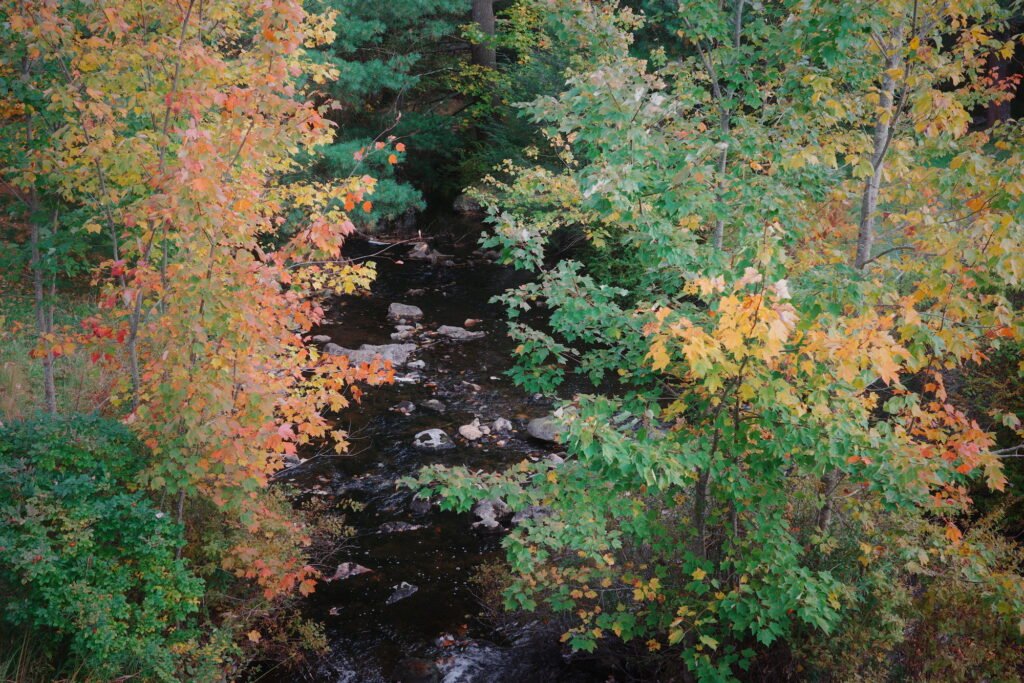
Close your eyes and stand still for several minutes to isolate your hearing. Listen to the distinct, paper-thin rustle of dry leaves rattling in the crisp wind—a hauntingly beautiful sound of the forest physically letting go of its canopy. When you move, listen to the rhythmic, percussive crunch beneath your feet. By slowing your steps, each crackle becomes an intentional acoustic reminder of the beauty found in stepping through change. Let mindfulness and calming forest sounds work their magic.
Sight: Witnessing the Canvas of Imperfection
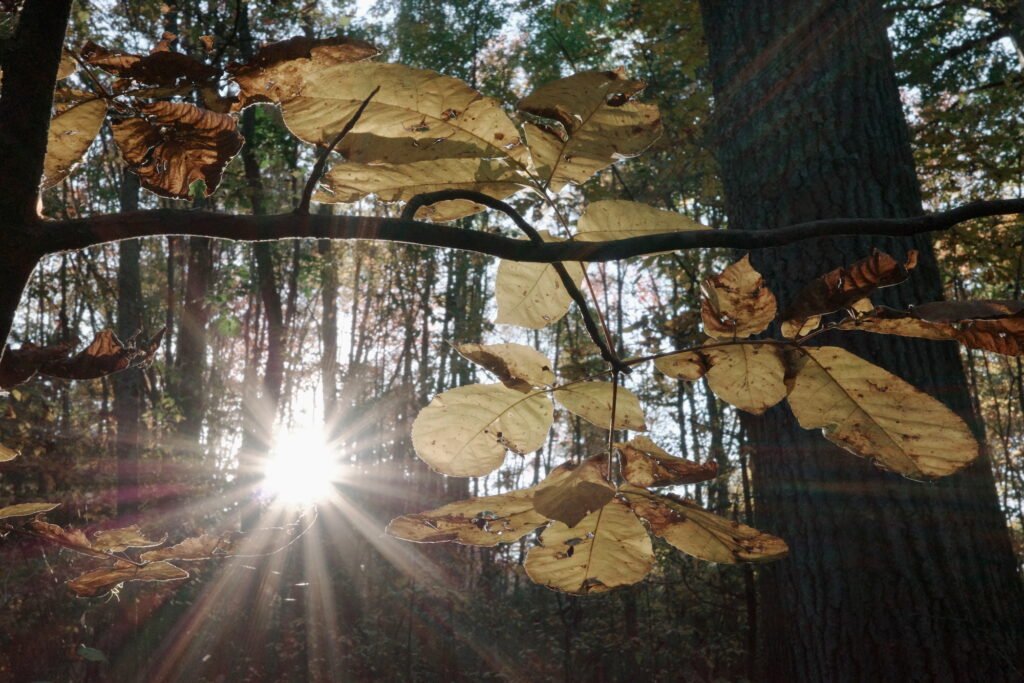

Shift your gaze away from sweeping vistas and focus on the micro-landscapes around you. Look for leaves that are beautifully imperfect—those partially eaten by forest insects, spotted with fungal blemishes, or asymmetric in their decay. Notice how the low, golden autumn sun filters through the thinning canopy, highlighting the brilliant, final flash of a lone amber leaf against a backdrop of newly bare branches. There is an exquisite, unrepeatable beauty in these flawed, fleeting details.
The Canvases of Wabi-Sabi in Autumn Forest Bathing
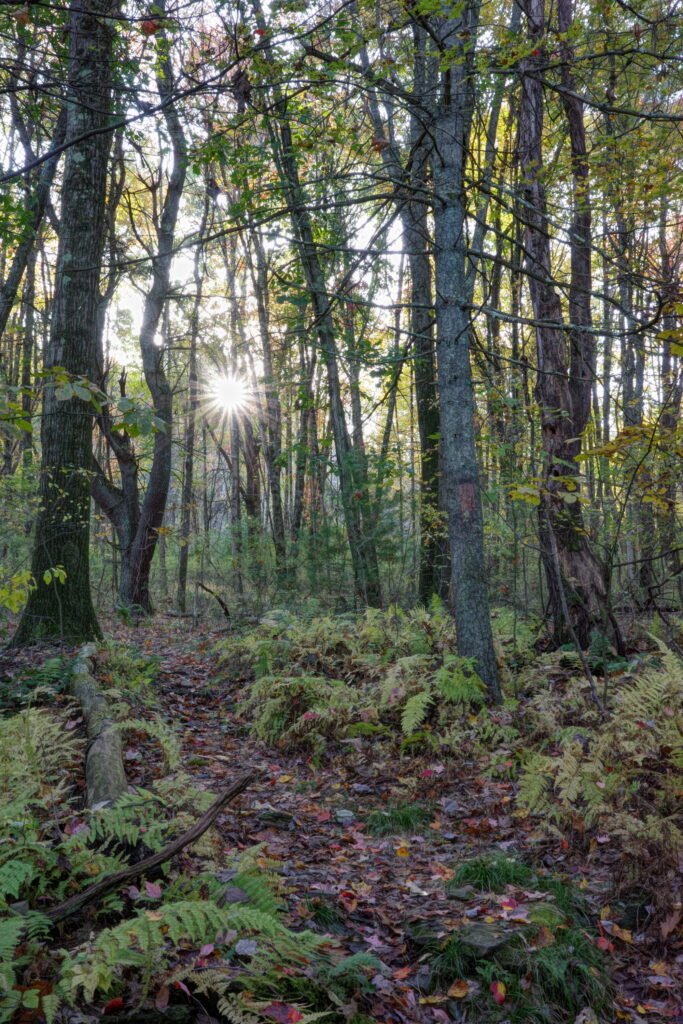
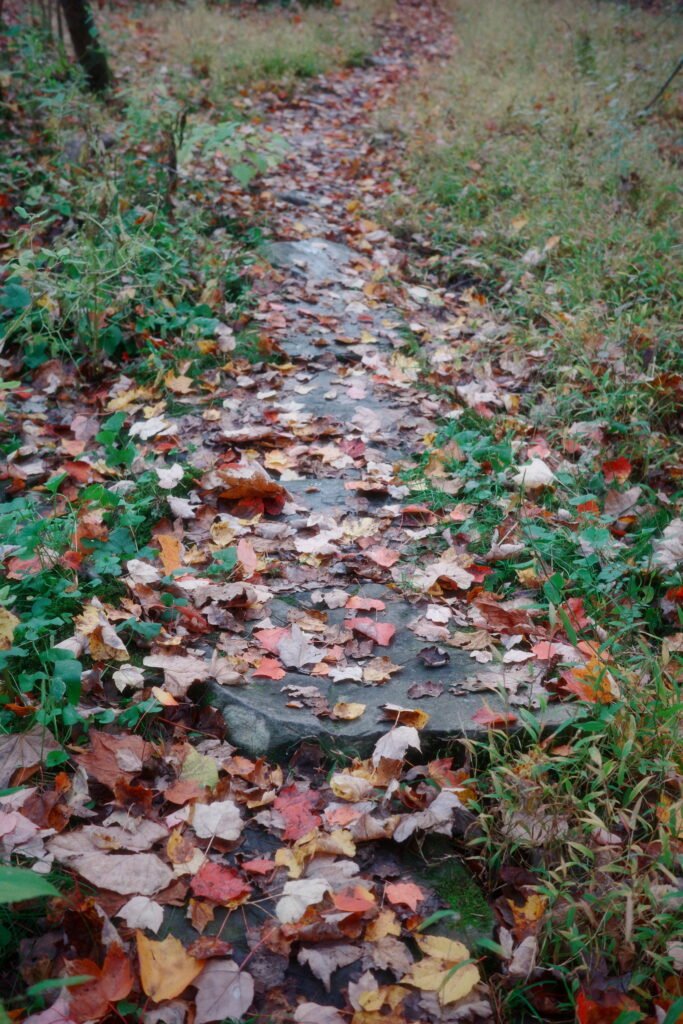
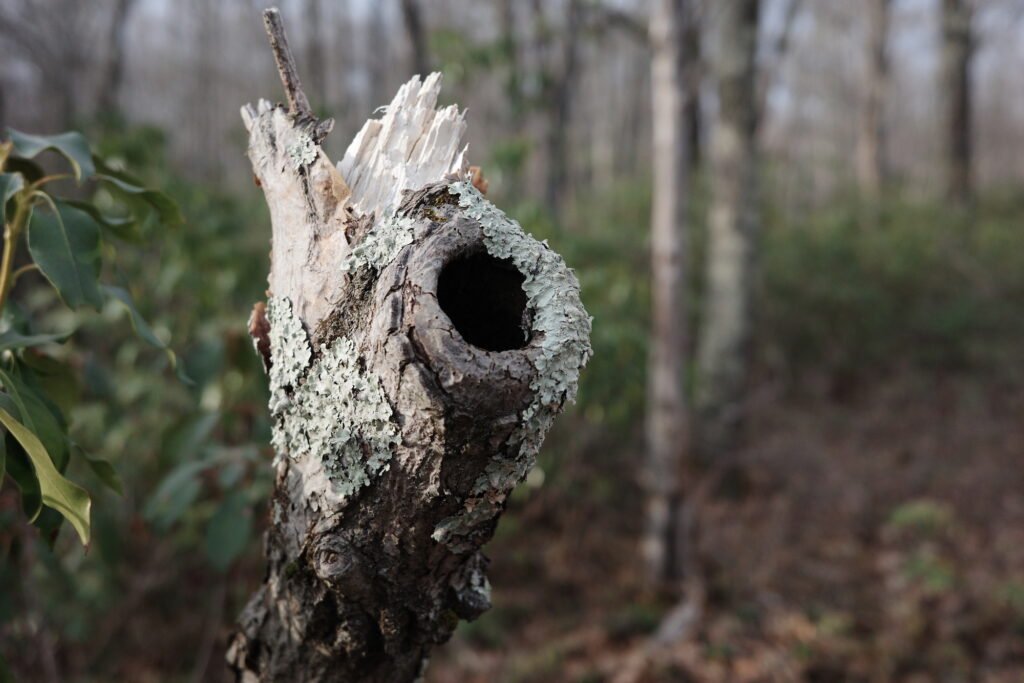
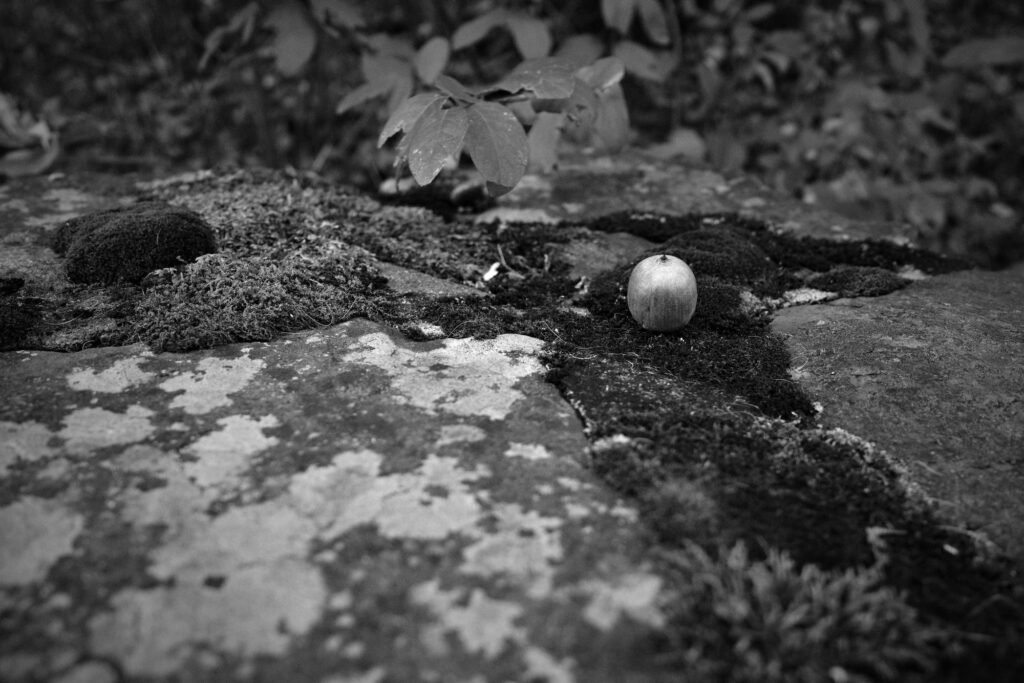
Look closer at the forest floor and canopy, and you will find that autumn’s beauty thrives in what is broken and bare. A decaying log, slowly collapsing under a blanket of emerald moss and bracket fungi, is no longer a monument to loss; it is a bustling cradle of new life and a masterclass in the elegance of aging. Above, the newly bare branches of oak and maple trees pierce the gray sky like intricate lace. Stripped of their vibrant summer armor, these branches expose the tree’s true, gnarl-grained architecture, revealing a stark and honest silhouette. In the world of wabi-sabi, these elements are revered. They remind us that objects and lives weathered by time, stripped of excess, and marked by wear possess a profound, quiet dignity that perfection can never match.
Profound Transformation
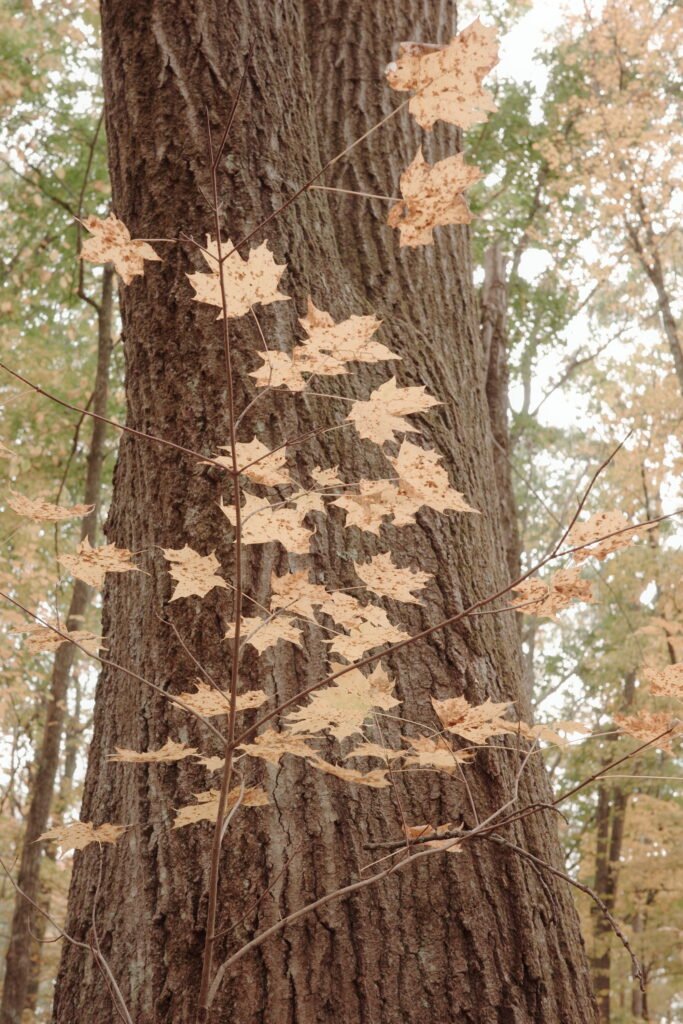
This intersection of seasons is the ultimate expression of wabi-sabi. Right before our eyes, nature is openly decomposing, stripping itself down to the bare essentials in preparation for the hardships of winter, yet it is collectively celebrated as one of the most breathtaking times of the year. The forest does not fight the frost or cling desperately to its withered leaves; it surrenders them in a blaze of glory. This transition teaches a vital, liberating truth for our own lives: letting go does not have to be a tragic or painful loss. When we stop resisting change and gracefully release what no longer serves our growth, we open ourselves to a profound transformation. There can be incredible beauty in the stripping away, demonstrating that the process of letting go can be a significant life experience.
Bringing the Practice Home
If you want to explore these concepts further or carry a camera on your next forest bathing walk, I have compiled my favorite tools for mindful minimalist high quality photography. Visit the Curated Resource Collective to see the reflective books and compact cameras—like the Ricoh system I use to capture these autumn moments—that support my practice.

Leave a Reply