We live our lives inside boxes, peering into smaller, glowing boxes. The modern world demands a hyper-focused, fragmented kind of attention, one that is constantly scanning, sorting, and reacting to an endless stream of digital notifications and urban noise. This chronic overstimulation leaves us mentally exhausted, trapped in a state of high-alert anxiety. When we look at the world through this frantic internal lens, everything becomes a blur of tasks, deadlines, and stress. However, in nature meditation there is a remedy.
To restore clarity and find our center, we do not necessarily need to sit on a cushion in a silent room, trying to force our minds to stop thinking. Instead, we can step outside. Nature meditation offers a dynamic, restorative path to mindfulness by shifting our focus from internal chatter to the vast, living landscape around us. By immersing ourselves in the quiet architecture of the woods, we can transition from a state of forced attention to one of effortless presence.
The Science of Restoration: Attention Restoration Theory
Before diving into the practice, it is helpful to understand why the human mind settles so deeply when surrounded by trees. Environmental psychologists point to a concept known as Attention Restoration Theory (ART), developed by Rachel and Stephen Kaplan in the late 1980’s. The theory suggests that natural environments employ a different type of mental engagement called “soft fascination.”
In an urban or digital setting, your brain uses “directed attention” which is a finite cognitive resource that requires immense energy to filter out distractions (like traffic, ads, or emails). Nature, however, captures our attention effortlessly. The gentle movement of leaves in the wind, the patterns of light filtering through a canopy, or the sound of flowing water hold our interest without requiring active mental processing. This soft fascination allows our directed attention mechanisms to rest and recover, lowering cortisol levels and clearing mental fatigue. Nature meditation is simply the intentional cultivation of this natural restorative process.
Step 1: Entering the Threshold (The Art of Arrival)

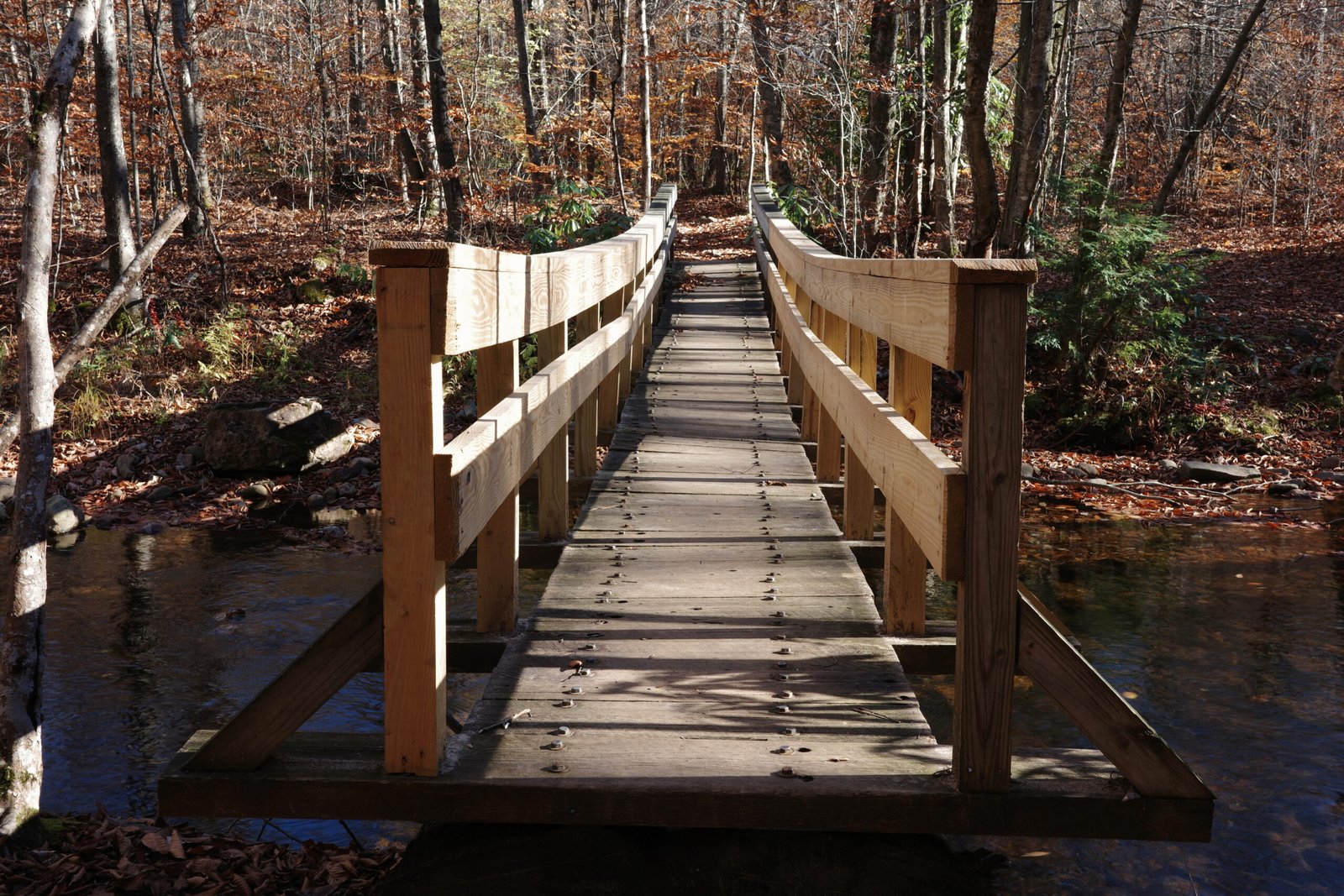
A successful nature meditation begins the moment you transition from the paved path into the wild. Treat this boundary as a literal and figurative threshold. As you step into the woods, make a conscious mental agreement to leave the momentum of your day behind.
- Settle Your Pace: Slow your walking speed down to half of your normal walking pace. This physical deceleration immediately signals to your nervous system that you are safe and that there is no urgent destination to reach.
- Acknowledge Your Arrival: Take three deep, grounding breaths. Inhale the cool, oxygen-rich forest air deeply into your abdomen, and exhale fully, releasing the tension in your shoulders, jaw, and brow.
- The Intentional Footstep: As you move, bring your awareness to the soles of your feet. Feel the shifting terrain underneath you—the soft crunch of decaying leaves, the solid resistance of hidden roots, the give of damp earth. Let your feet anchor you in the present moment.
Step 2: Engaging the Senses (The Five-Gate Method)
Once you have walked for a few minutes and your heart rate has settled, find a comfortable place to stand or sit. You do not need a perfect view. a quiet patch of trees or a mossy log is ideal. Close your eyes briefly to open the gates of your other senses.

- The Gate of Sound: Isolate the auditory landscape. Listen for the furthest sound you can detect—perhaps the distant rush of wind through the high canopy. Then, bring your awareness closer. Listen to the mid-range sounds: a bird calling, a squirrel rustling through the undergrowth. Finally, listen to the closest sounds: the rhythm of your own breath, the rustle of your clothing.
- The Gate of Touch: Open your eyes and bring your awareness to your skin. Feel the temperature of the air. Is there a breeze moving across your face? Notice the contrast between the warmth of your body and the cool air of the woods. Reach out and touch a nearby tree or piece of moss, noticing the rough ridges of bark or the soft, damp give of the moss.
- The Gate of Sight (De-focusing): Soften your gaze. Instead of looking intensely at a single object, widen your perspective to take in your entire field of peripheral vision. Watch the collective movement of the forest—the swaying branches, the dancing shadows, the drifting clouds. You are no longer looking at nature; you are resting within it.
Step 3: Sitting with Impermanence

As you rest in this sensory awareness, look for the quiet rhythms of the ecosystem. The forest is a living masterclass in mindfulness because it never rushes, yet everything is accomplished. It exists in a state of perpetual, balanced chaos.
Notice how a fallen tree trunk, slowly rotting on the forest floor, has become a nursery for new ferns, moss, and fungal life. In nature, decay is not a tragedy. It is the prerequisite for new growth. By witnessing this seamless cycle of life, death, and regeneration, our internal anxieties about control, perfection, and time begin to dissolve. We realize that we, too, are part of this shifting, imperfect, and beautiful ecosystem. There is a deep, resonant peace in surrendering to that reality.
Bringing the Practice Home
You do not need a pristine national park to practice nature meditation. A small local patch of woods, a quiet city park, or even a seat beneath a mature tree in your backyard will suffice. The efficacy of the practice lies not in the grandeur of the landscape, but in the quality of your attention.
When you emerge from the woods, try to carry a fragment of that spacious, grounded awareness back into your daily routine. By regularly stepping past the boundary of our indoor worlds and immersing ourselves in the quiet architecture of the earth, we learn to cultivate an “inner lens” that remains steady, calm, and present, no matter how chaotic the modern world becomes.
Continue the Practice: Explore more quiet reflections with the articles in the Forest Bathing Gallery, or visit the Curated Resource Collective to learn more about the Ricoh cameras used on these walks and browse our full recommended reading list.
Deepen Your Reading: If you would like to explore the science and practice of nature meditation further, two foundational guides are:
Forest Bathing: How Trees Can Help You Find Health and Happiness by Dr. Qing Li (Bookshop.org | Amazon)
A Field Guide to Nature Meditation by Mark Coleman (Bookshop.org | Amazon).
Leave a Reply