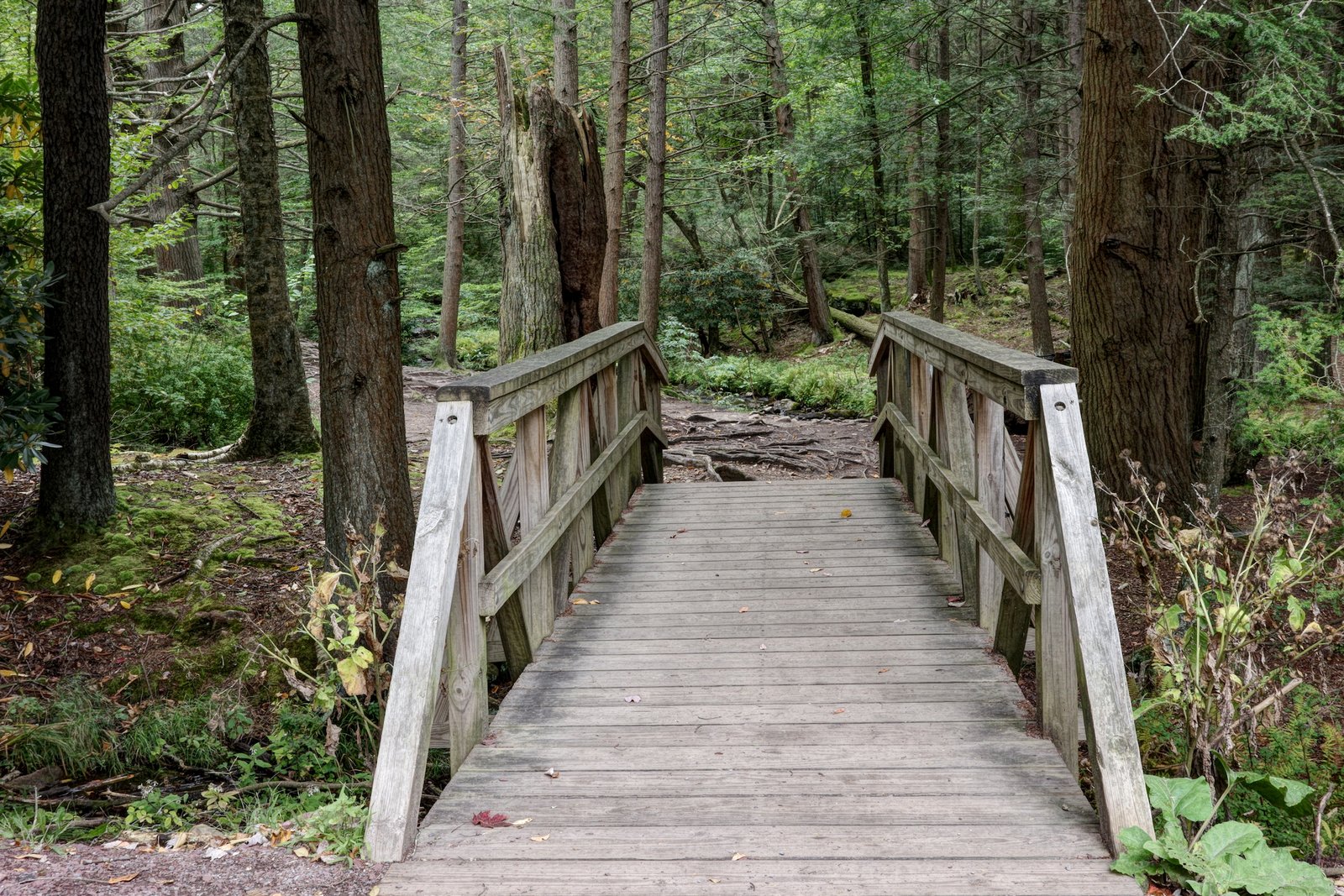
Stepping beneath a dense forest canopy requires a profound shift in how we perceive our surroundings, inviting us to view nature not as a backdrop, but as a living sanctuary. The Japanese art of Shinrin-yoku, or forest bathing, is a deeply meditative practice of deliberate, sensory immersion. It asks you to quiet the digital chatter of the modern world and anchor your consciousness firmly in the present moment. As you slow your breath, your awareness expands to capture the subtle dance of dappled sunlight on the forest floor, the rhythmic rustle of leaves, and the grounding scent of damp earth. This intentional presence transforms a simple walk into a somatic healing ritual. By consciously engaging all five senses, you realign your mental frequency with the steady, unhurried pace of the natural world, fostering a profound sense of internal stillness.
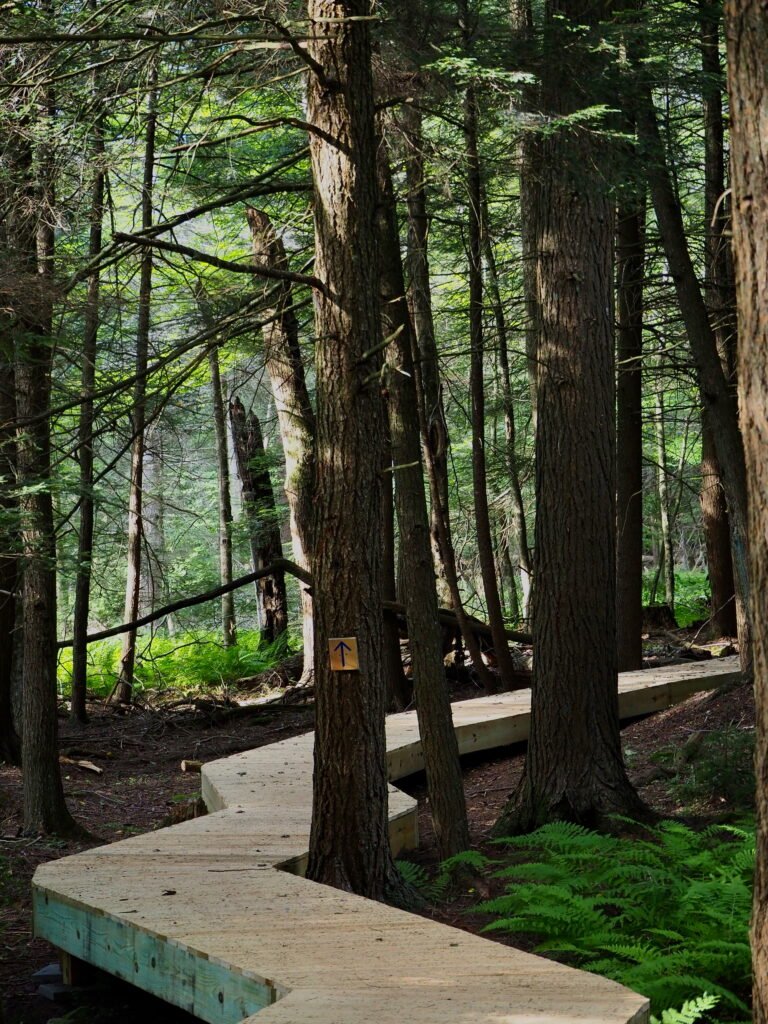
Forest Bathing as a Biohack
There is extensive media interest currently focused on biohacking, lifespan and healthspan. Forest bathing has not received much attention in this regard, but there is extensive evidence documenting how forest bathing is good for your health. Now, you might ask if forest bathing could extend your lifespan.
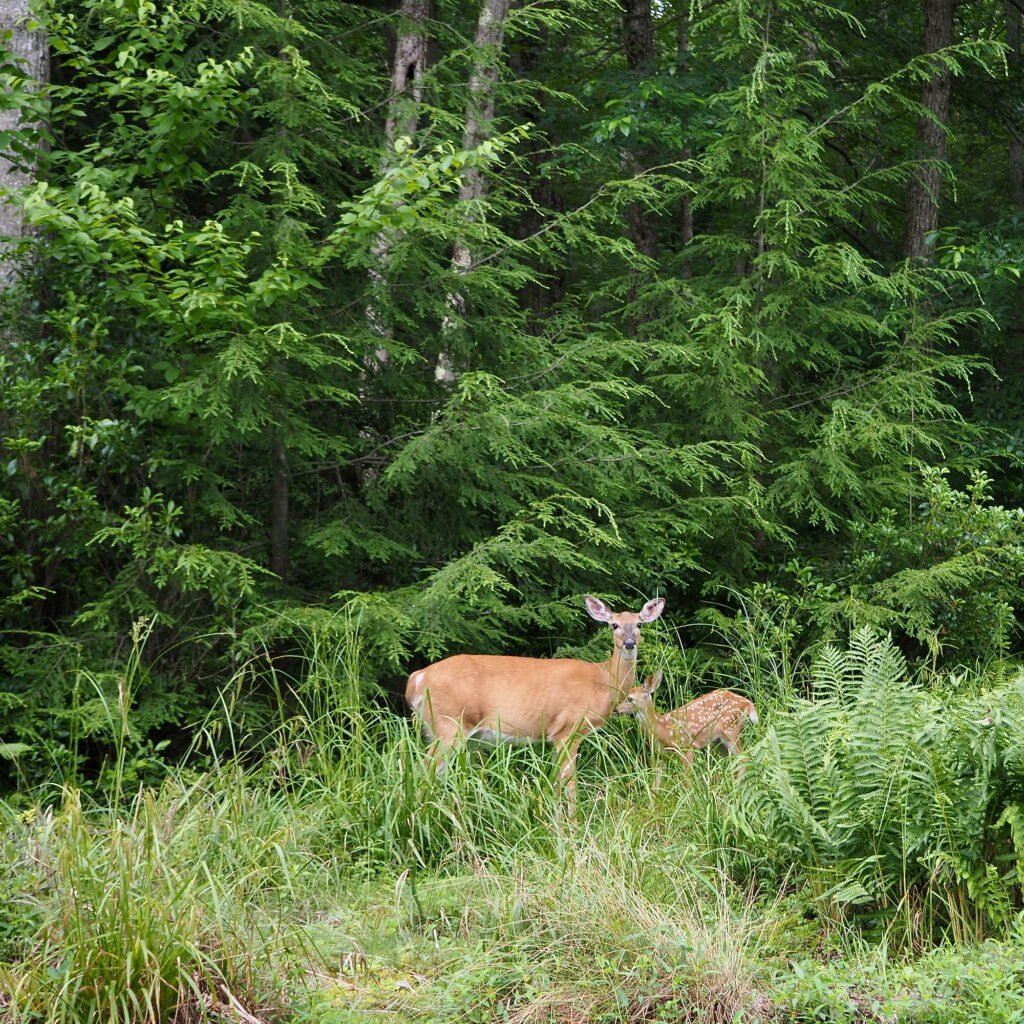
Beneath the serene, mindful experience lies a complex web of measurable, physiological healing. When you immerse yourself in a forest environment, your body absorbs biogenic volatile organic compounds called phytoncides—antimicrobial pathways released by trees for self-defense. Research published in Environmental Health and Preventive Medicine demonstrates that exposure to these forest aerosols triggers a dramatic boost in human immune function. Specifically, scientists documented a significant increase in the activity and number of Natural Killer (NK) cells, which are specialized immune cells responsible for combating viral infections and tumor growth. The study also revealed that a single forest immersion lowered systemic concentrations of the stress hormone cortisol, stabilized blood pressure, and enhanced parasympathetic nerve activity. This provides rigorous, empirical proof that nature acts as a direct catalyst for biological restoration.
The Physiological Changes
These immediate physiological shifts establish a vital foundation for long-term health, directly linking regular forest immersion to human health. Chronic stress and elevated cortisol levels act as systemic accelerants for cellular aging, gradually shortening our telomeres and triggering low-grade, widespread inflammation that drives age-related diseases. By consistently down-regulating the body’s sympathetic “fight-or-flight” system, forest bathing effectively halts this destructive cascade. A comprehensive, large-scale epidemiological study published in The Lancet Planetary Health underscored this connection by analyzing decades of data tracking millions of individuals. The researchers concluded that increased exposure to green, forested canopies is directly correlated with a significant reduction in all-cause mortality. By actively lowering the risk of cardiovascular disease, respiratory illness, and metabolic dysfunction, the forest canopy acts as a protective shield that actively expands overall healthspan. And this in turn could add time to your life.
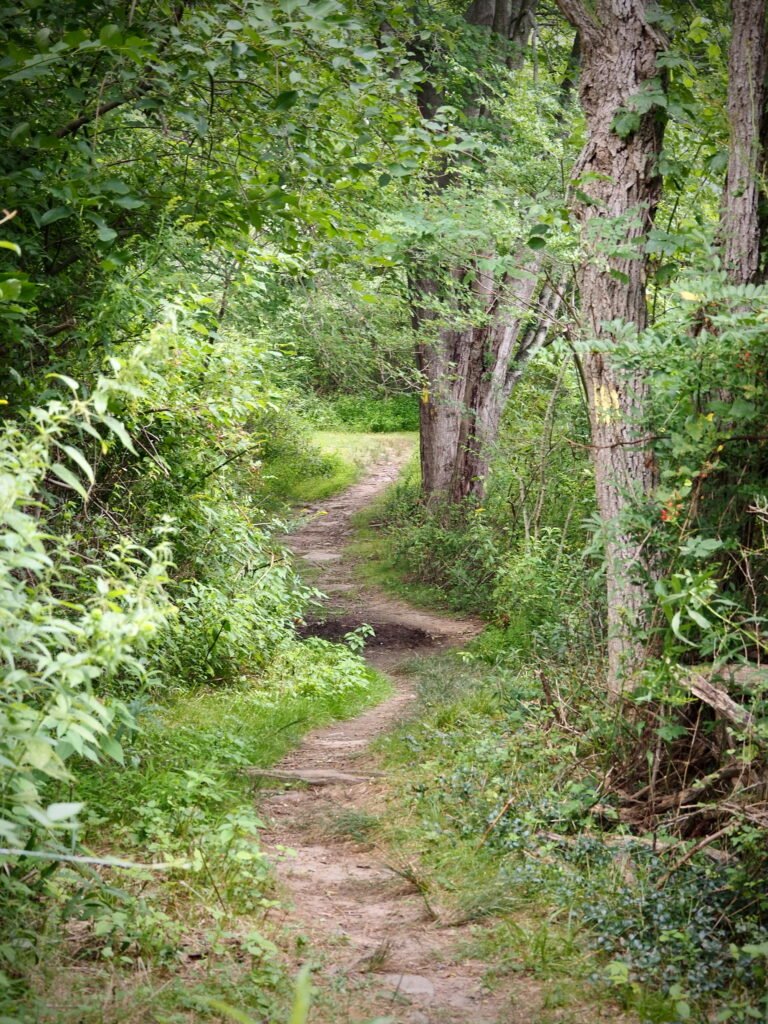
Integrating the life-extending benefits of Shinrin-yoku into your modern routine does not require an arduous trek into remote wilderness; it simply requires a commitment to intentional, structured stillness. You can seamlessly cultivate your own regular forest bathing practice by employing these five foundational steps:
- Find Your Canopy: Locate an accessible pocket of nature, such as a state park, a dense wooded trail, or even a quiet, tree-lined urban botanical garden.
- Unplug Completely: Power down your phone, smartwatch, and digital devices before stepping onto the path to eliminate any external alerts or distractions.
- Move Without a Destination: Walk at a deliberate, slow, and aimless pace, prioritizing the sensory journey over physical exercise or distance milestones.
- Conduct a Five-Sense Inventory: Pause frequently to sit or stand still, intentionally cataloging what you can see, hear, touch, smell, and physically taste in the clean air.
- Close with a Grounding Reflection: Conclude your session by spending two minutes practicing deep, diaphragmatic breathing, acknowledging your connection to the living ecosystem around you.
See our Forest Bathing collection for more about Shinrin-Yoku.
Leave a Reply