For many years, my relationship with photography was defined by a quiet anxiety. It was the anxiety of choice—carrying heavy bags of lenses, constantly swapping glass in the field, and spending beautiful afternoons worrying if I had brought the right focal length. Over time, I realized that this approach was creating a barrier between myself and the world. Minimalist photography, to me, is the deliberate act of stripping away that clutter. It is a philosophy that shifts the focus from managing gear to managing attention. By embracing deliberate constraints, we give ourselves permission to truly look, slow down, and capture the quiet essence of a scene without the burden of excess.
The appeal of this minimalist mindset becomes most apparent to me during my annual travels. Traveling extensively each year has taught me that physical lightness directly equates to mental clarity. When you limit yourself to a single camera and a single prime focal length, your relationship with the environment changes. You stop zooming with a mechanism and start zooming with your feet. You begin to see the world in that specific field of view, intuitively knowing how a subject will sit in your frame before you even lift the camera to your eye. There is an incredible creative freedom in knowing exactly what your tool can do, forcing you to engage deeply with light and composition rather than hardware options.
Inspiration for the Minimalist Approach
My transition into a simpler workflow was deeply inspired by Gordon Laing’s terrific book, In Camera: How to Get Perfect Pictures Straight Out of the Camera. Laing’s work beautifully outlines an approach that transformed my practice: shooting JPEGs with the absolute intent of getting the image right directly inside the camera. As Gordon states in his book, “My philosophy is that great photos can be created in camera at the point of capture. Composing in Live View or reviewing images straight after taking them allows you to check your results and correct your technique in the field; there’s literally no excuse for getting it wrong. If it doesn’t look right, don’t walk away thinking you’ll simply fix it in post-processing. Stick around and try again with a different approach – maybe an alternative angle, adjusting the settings, or waiting to see if the light improves.”
For too long, digital photography has been tethered to the computer screen. I found myself spending endless hours processing RAW photos and adjusting sliders in post-processing software when I wanted to be out in the field. In Camera showed me the immense potential of the straight-out-of-camera (SOOC) image. It reminded me that the definitive creative choice can—and should—happen the moment the shutter clicks.
Long before I discovered the world of custom film simulations, my commitment to a minimalist workflow began to take root through a strict physical constraint: pairing an Olympus camera body with just a single prime lens. This deliberate setup became my creative crucible. By refusing to swap lenses or rely on zooms, I learned the foundational joy of mastering one specific field of view. The tactile, compact nature of the Olympus system proved that a small kit wasn’t a compromise—it was a catalyst for deeper observation. It was this early realization that paved the way for my deeper dive into premium, pocketable camera systems.
This foundational “one camera, one lens” ethos naturally evolved into a multi-year journey mastering some of the finest premium compact systems available, specifically the Fujifilm X100 series and the Ricoh GR series. What made these systems exceptional was how they combined physical minimalism with internal creative freedom: the ability to host custom JPEG “recipes.” By adjusting the internal color science, highlight curves, and grain profiles of the Ricoh GR or the Fujifilm system, I could pre-visualize the mood of a place. I was no longer collecting data to manipulate later; I was creating a finished photograph in real time, capturing the exact atmosphere I felt while standing in that space. And there are some notable photographers that share this shooting philosophy.
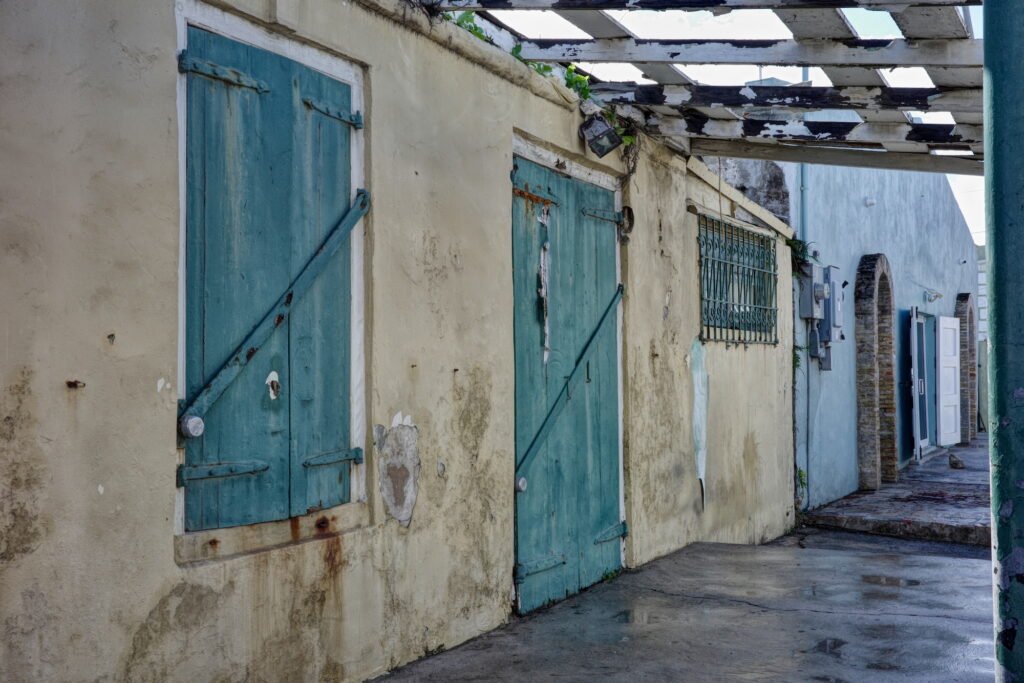
Proponents of the One Camera One Lens Approach
Mike Johnston (The Online Photographer) famously started the OCOLOY challenge: One Camera, One Lens, One Year. Using a single camera and a single prime lens is a creative discipline intended to rewire the brain to intuitively understand a specific field of view.
Henri Cartier-Bresson is the ultimate historical proponent of the one camera one lens approach. As the father of modern photojournalism in the mid 20th century, he is famously known for shooting almost exclusively with a Leica camera and a 50mm lens. He strongly believed in capturing the “decisive moment” completely in camera. While he did have darkroom technicians to process his images, he refused to allow any cropping of his photos. He believed a photograph’s composition should be perfected entirely inside the viewfinder at the moment the shutter was clicked.
Daido Moriyama is a pioneer of street photography who rejects huge DSLR setups. He prefers to shoot with premium compact cameras, particularly the Ricoh GR III and now the Ricoh GR IV with their 28mm equivalent lenses. Moriyama shoots primarily in JPEG format utilizing the cameras built-in image processing to capture his signature look. Moriyama has an “anti-photography” philosophy, favoring instinct and speed over technical perfection. Spending hours sitting in front of a computer adjusting sliders on a RAW file goes entirely against his workflow. He wants the file to be as immediate, raw, and unmanipulated by software as possible.
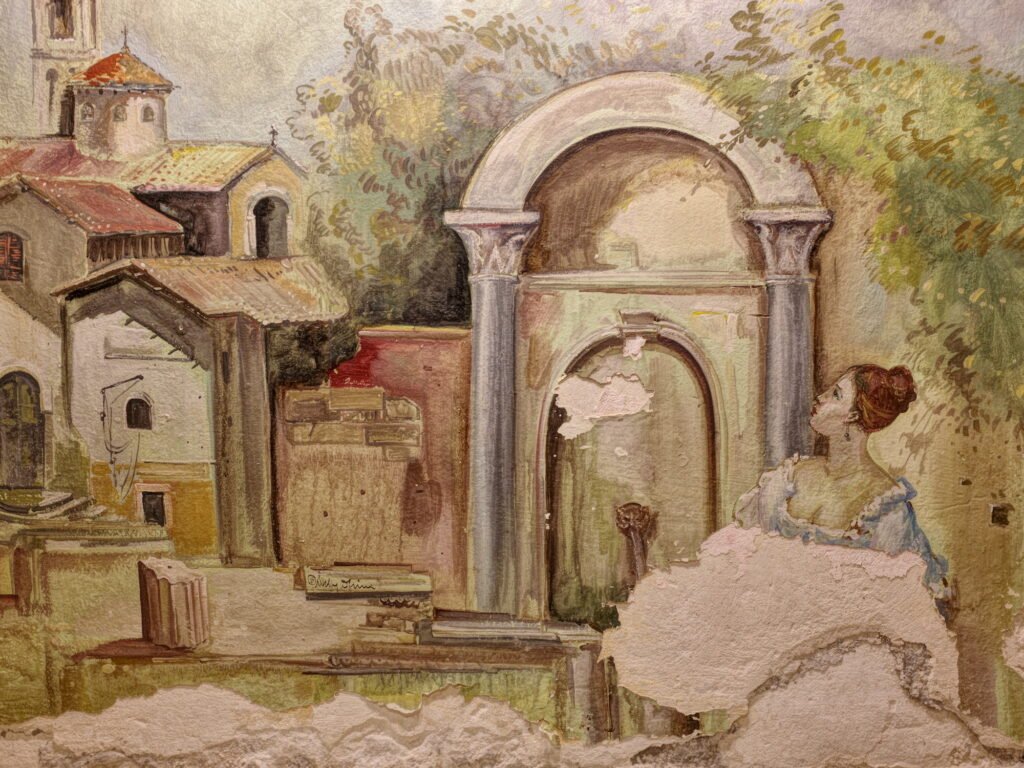
Proponents of the JPEG/SOOC Workflow
Kevin Mullins is a world-renowned documentary wedding and street photographer who famously shoots 100% Straight Out of Camera JPEGS for his professional client work. He is incredibly vocal about the creative and physical freedom of skipping the computer screen, arguing that modern in-camera processing lets him focus entirely on the human element.
Ritchi Roesch (Fuji X Weekly) is the undisputed champion of the modern JPEG revival. As the creator of widely used custom film simulation “recipes,” he has proved to a generation of digital photographers that an image can be artistically complete the exact second it is shot, bypassing Lightroom entirely.
Ken Rockwell is one of the web’s most widely read, independent camera reviewers. For decades, Rockwell has been a polarizing but highly authoritative advocate for shooting JPEG only. He argues that getting the exposure, white balance, and color right in the camera saves thousands of hours and produces a more immediate, vibrant record of a scene.
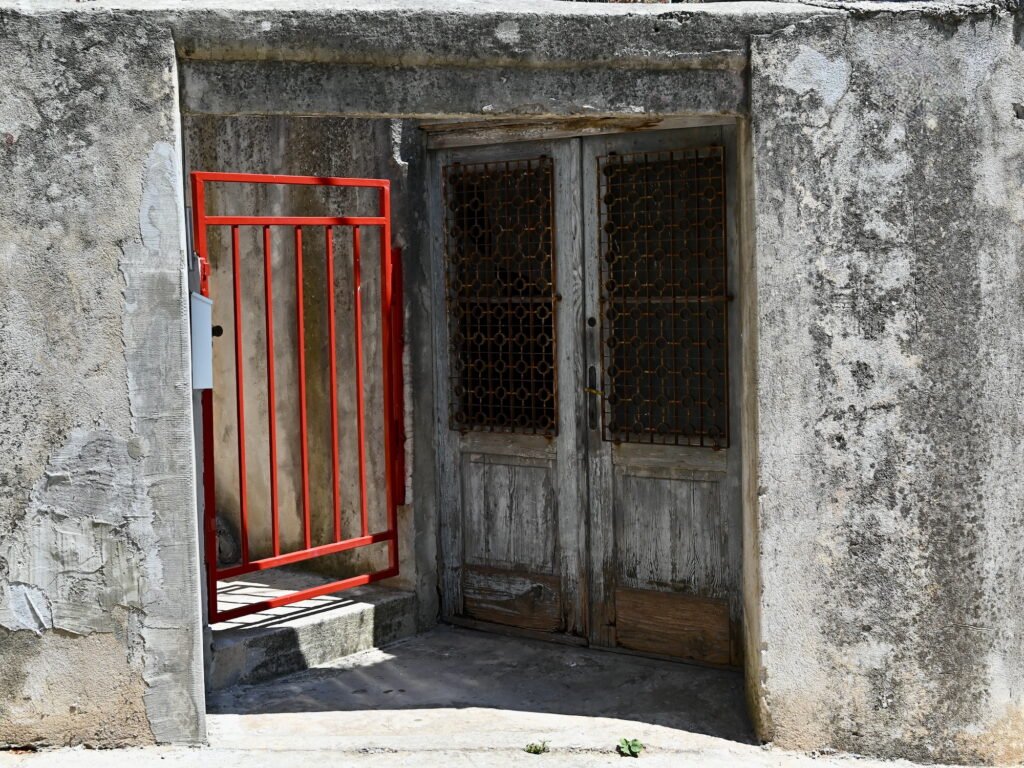
My Current Minimalist Approach to Photography
My evolution has led me to my current daily setup: A Ricoh GR IIIx, the Ricoh GR IV Monochrome, and the Fuji XE5. This combination strikes the perfect balance for my travel requirements. A compact form that fits nicely in the hand, great handling and controls, and superb jpeg image quality with excellent flexibility, all in tidy little packages that are perfect for one-handed shooting and that are easy to take with me everywhere! I carry no big and cumbersome camera bag, no heavy tripods, and no extra accessories. Just a camera, a lens, and an open mind. It is a joy shooting with the Fuji XE5 and a prime lens along with the Ricoh cameras, and I love the JPEG images I get with them. I also get more images because it is so convenient to always have them with me.
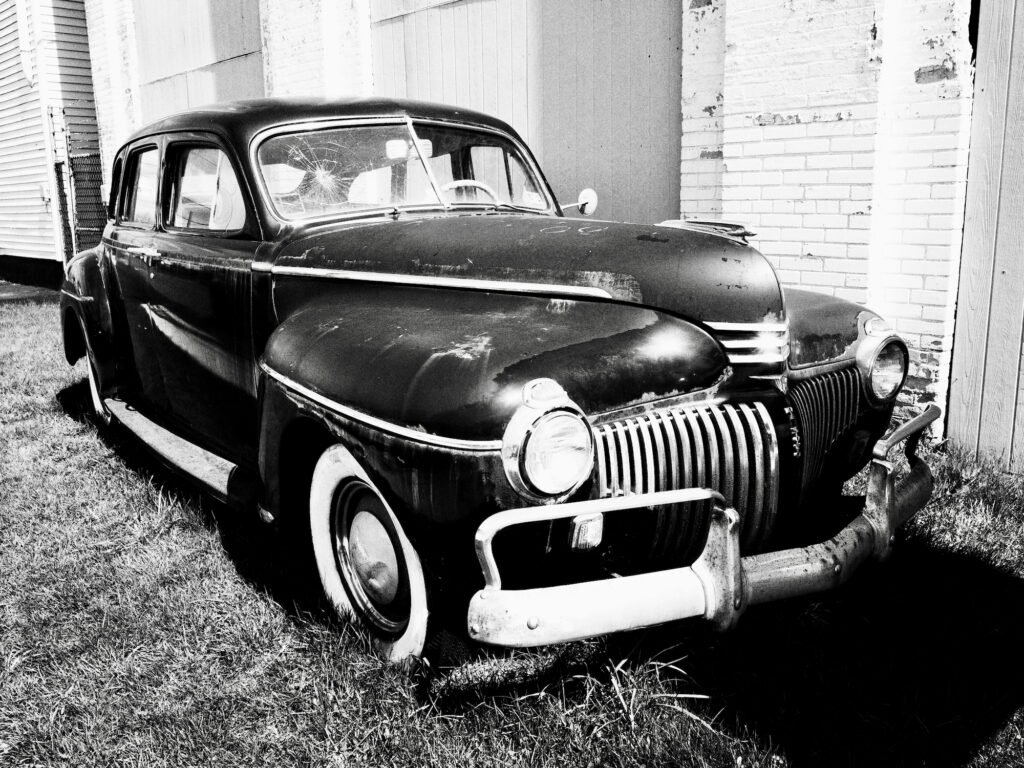

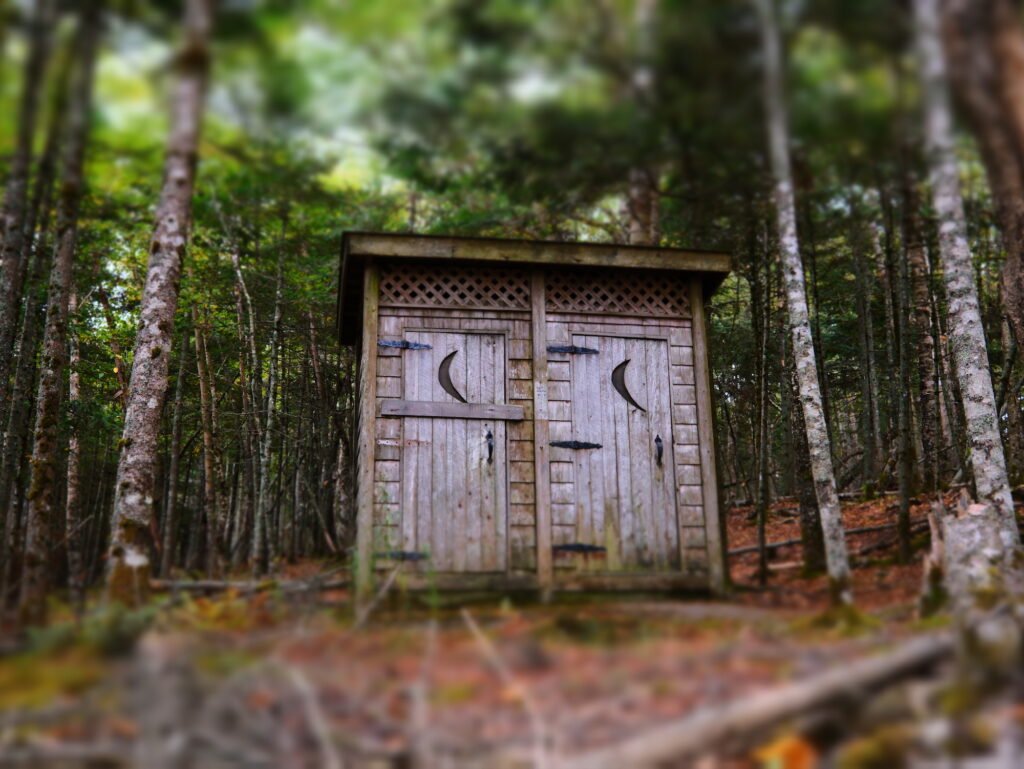
f/5.6, 1/90 second, -0.7 EV.
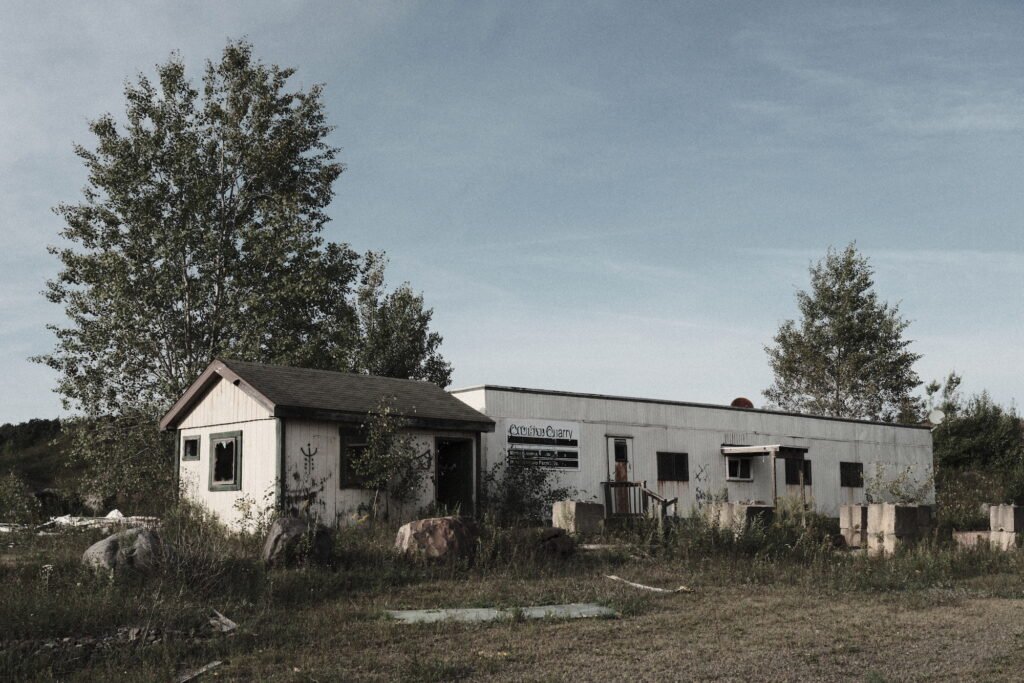
Ultimately, this minimalist approach to photography is not just a technical preference; it is an extension of the broader philosophies that guide my creative life. It shares a deep, quiet DNA with Wabi-Sabi and Forest Bathing. In the practice of Forest Bathing, we immerse our senses completely in nature to find presence. A minimalist camera does not disrupt that immersion. Similarly, the philosophy of Wabi-Sabi asks us to find beauty in imperfection, transience, and decay. When we stop chasing technical perfection through endless RAW manipulation, we accept the light, the grain, and the moment exactly as they are. By simplifying our tools, we allow ourselves to see the quiet, fleeting beauty of an imperfect world.
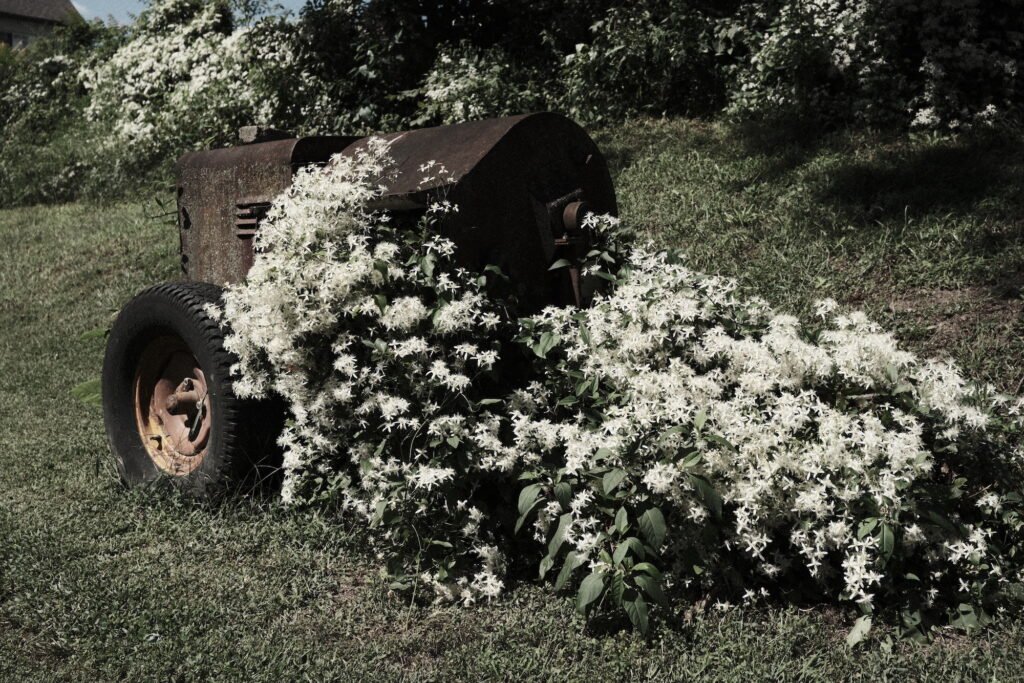
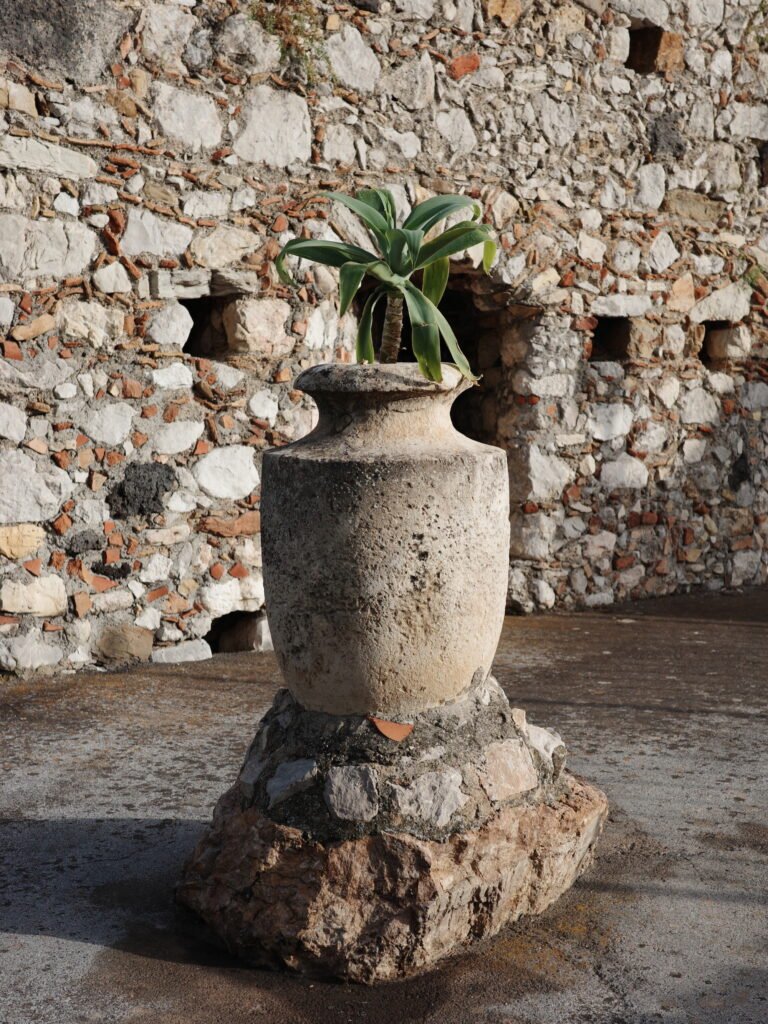
Visit the Reclaimed by Nature Gallery for more about nature reclaiming its space.
Leave a Reply