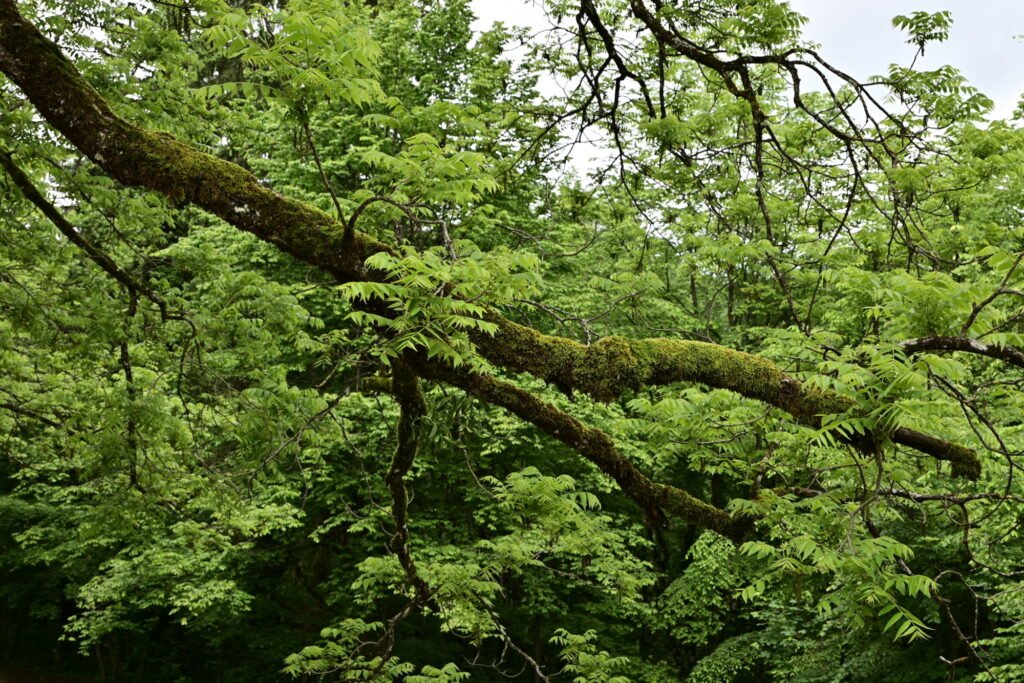
Step away from the screen for a moment and close your eyes. Can you recall the scent of damp earth after a rainfall, or the rhythmic, soothing whisper of wind filtering through a canopy of leaves? In our modern, hyper-connected lives, we are constantly bombarded by digital notifications, artificial lighting, and the persistent hum of the urban landscape. We rush through our days with overstimulated minds, unaware of how deeply our bodies long to reconnect with the slow, grounding rhythms of the natural world. The remedy you are searching for doesn’t require a gym membership, a strenuous mountain hike, or an expensive wellness retreat; it simply requires you to step into the woods and let the trees hold your attention in your introduction to forest bathing.
What is Shinrin-Yoku
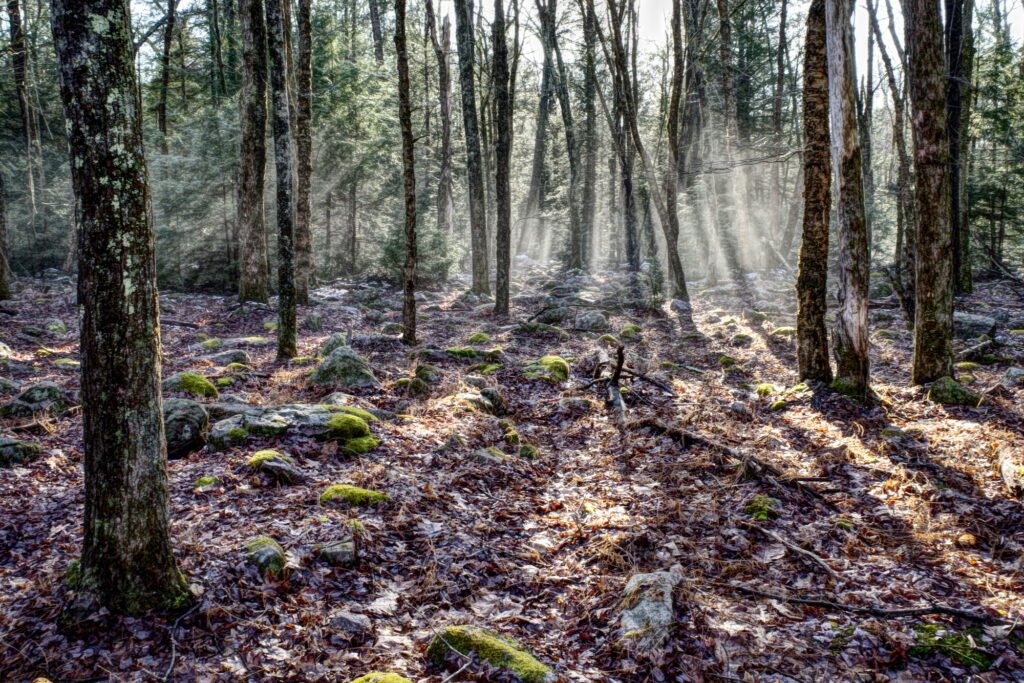
This ancient yet modern practice is known as forest bathing, a translation of the Japanese term shinrin-yoku, which literally means “absorbing the forest atmosphere.” The term forest bathing was coined in 1982 by the Japanese Ministry of Agriculture, Forestry, and Fisheries. The practice was developed as a physiological and psychological preventive healthcare initiative to combat the severe stress and burnout associated with the country’s rapid urbanization and tech boom. Rather than physical exercise, shinrin-yoku is an exercise in pure mindfulness. It asks you to deliberately slow down, silence your thoughts, and fully engage your five senses. By noticing the complex textures of tree bark under your fingertips, tasting the crispness of the clean air, and watching the dappled sunlight dance across the forest floor, you anchor your awareness firmly in the present moment.
The Shared Root of Shinrin-Yoku and Wabi-Sabi: Nature’s Imperfect Harmony
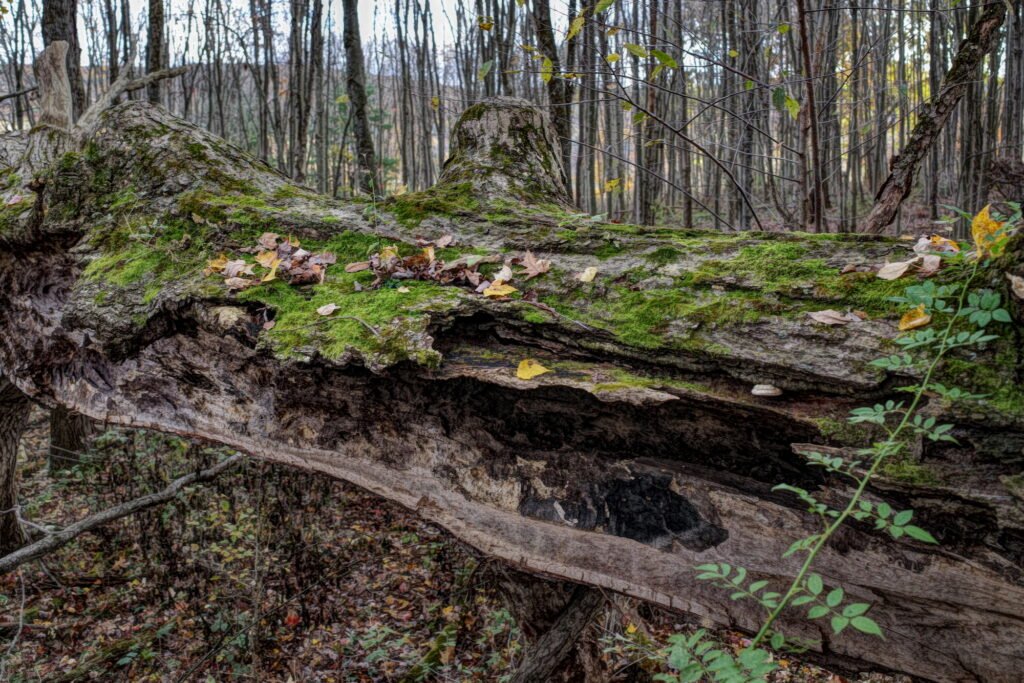
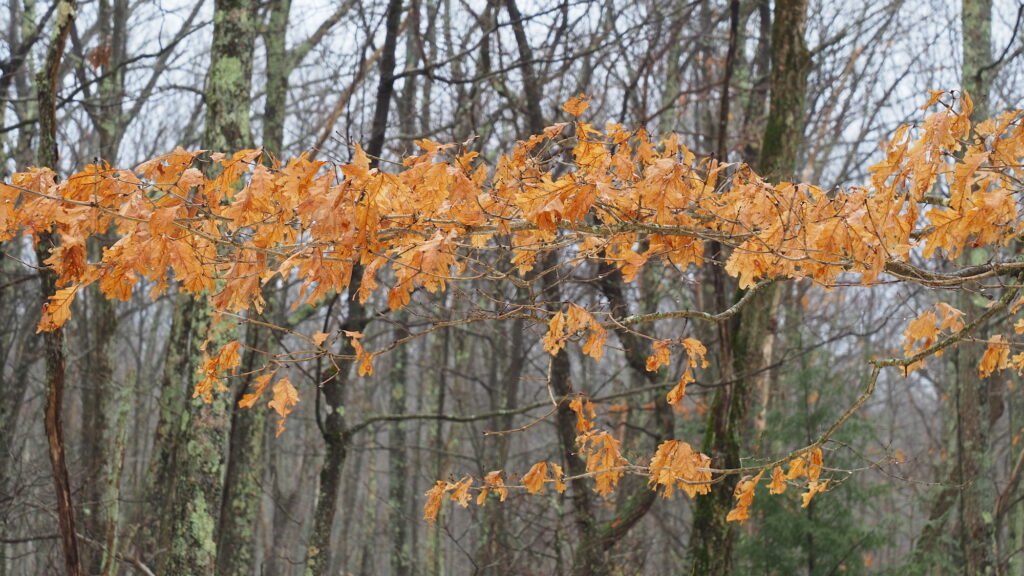
It is no coincidence that forest bathing and wabi-sabi aesthetics share the exact same cultural soil. When you slow your pace to the rhythm of the woods, you begin to see the world through a wabi-sabi lens. You realize that a forest is not a manicured botanical garden; its breathtaking beauty lives entirely within its flaws and impermanence. The crooked, lightning-scarred oak tree, the decaying fallen log giving life to vibrant green moss, and the rustling carpet of dead leaves all tell a story of time passing. Forest bathing teaches us to quiet our modern obsession with artificial perfection, while wabi-sabi gives us the philosophical vocabulary to fall in love with the raw, asymmetrical, and beautifully weathered reality of the natural world.
Forest Medicine: How Forest Bathing Heals the Body and Mind
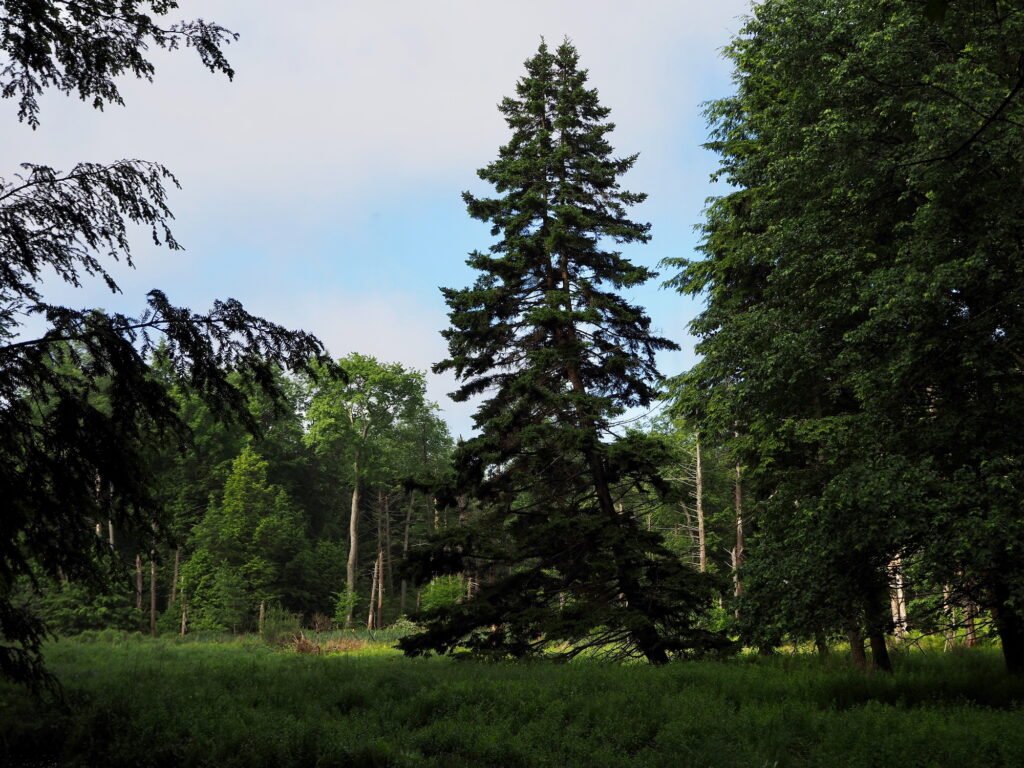
Behind the poetic stillness of this practice lies a mountain of compelling medical data confirming that the forest actively alters your physiology. The National Institutes of Health (NIH) has extensive information on the benefits of forest bathing in its digital archive databases. The NIH’s PubMed and PubMed Central repositories index thousands of peer-reviewed medical studies, clinical trials, and meta-analyses exploring the practice. Forest bathing has been shown to heal the body and mind by lowering stress, lowering blood pressure, and boosting your immune system through calm and quiet immersion in nature. When you walk among trees—particularly conifers like pine and cedar—you inhale microscopic, airborne plant chemicals called phytoncides. Trees emit these volatile compounds to protect themselves from insects and fungal diseases, but when humans breathe them in, our bodies gain a remarkable biological defense. Peer-reviewed studies have proven that inhaling phytoncides significantly boosts the activity and count of your body’s Natural Killer (NK) cells—specialized white blood cells that target virus-infected and cancerous cells. Remarkably, research demonstrates that a single, extended weekend trip into a dense forest can elevate your immune cell activity for over thirty days, offering lasting, physical protection long after you return home.
The mental and neurological benefits of forest bathing are just as profound as the physical ones. Immersing yourself in a green space acts as a biological reset switch for an overstressed nervous system. Clinical studies reveal that spending just twenty minutes under a tree canopy causes an abrupt, measurable drop in cortisol levels (the body’s primary stress hormone) alongside decreases in systemic blood pressure and heart rates. Furthermore, heart rate variability analysis demonstrates that the forest environment actively dampens your sympathetic “fight-or-flight” response while supercharging your parasympathetic nervous system, which governs “rest, digest, and tissue repair.” By shifting your internal state out of survival mode, forest bathing has been shown to clinically alleviate symptoms of anxiety, exhaustion, and depression, replacing chronic fatigue with a deep sense of psychological vigor.
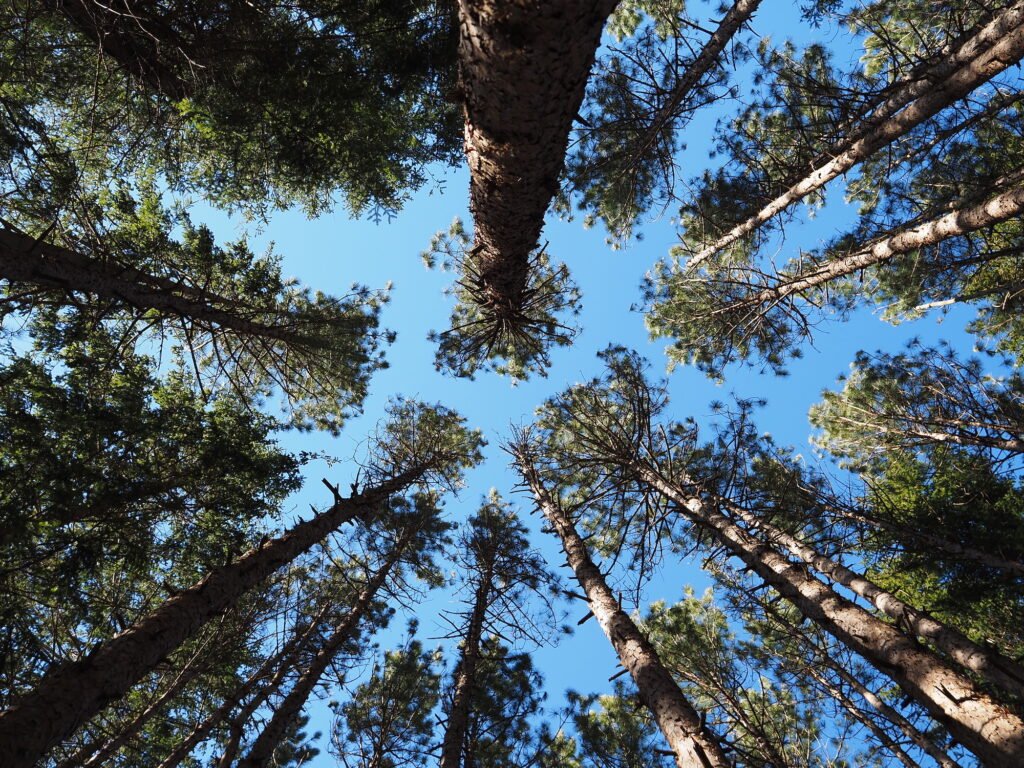
The Mindful Lens: Photography as a Sensory Anchor
For those who create, forest bathing offers a profound shift in how we look through a viewfinder. Minimalist photography becomes a natural extension of the practice—a way to anchor your awareness and isolate the quiet details that overstimulated minds usually rush past. When you carry a camera into the woods, your goal is not to document a landscape or hunt for a flawless postcard sunset. Instead, you are looking for the singular, understated moments: the way a single pocket of mist clings to a branch, the rough silhouette of a twisted root, or the soft texture of a wilting fern. By stripping away visual clutter, the camera frame becomes an intimate space where mindfulness meets minimalist design, allowing you to capture the essence of the forest.
Step Into the Canopy and Give it a Try
The woods are not demanding anything from you; they do not care about your to-do lists, your unread emails, or the frantic pace of the world outside the treeline. The paths and trails are waiting, completely free of judgment, inviting you to simply show up and exist exactly as you are. Leave your phone in your pocket, locate a quiet patch of trees at a local park or trail, and take your very first intentional forest bath. No towel or bar of soap required, but bringing along a camera with a minimalist setup is recommended. Stand still, draw in a slow, deep breath of moss-scented air, and let the quiet elegance of the living forest heal you from the inside out.
Leave a Reply