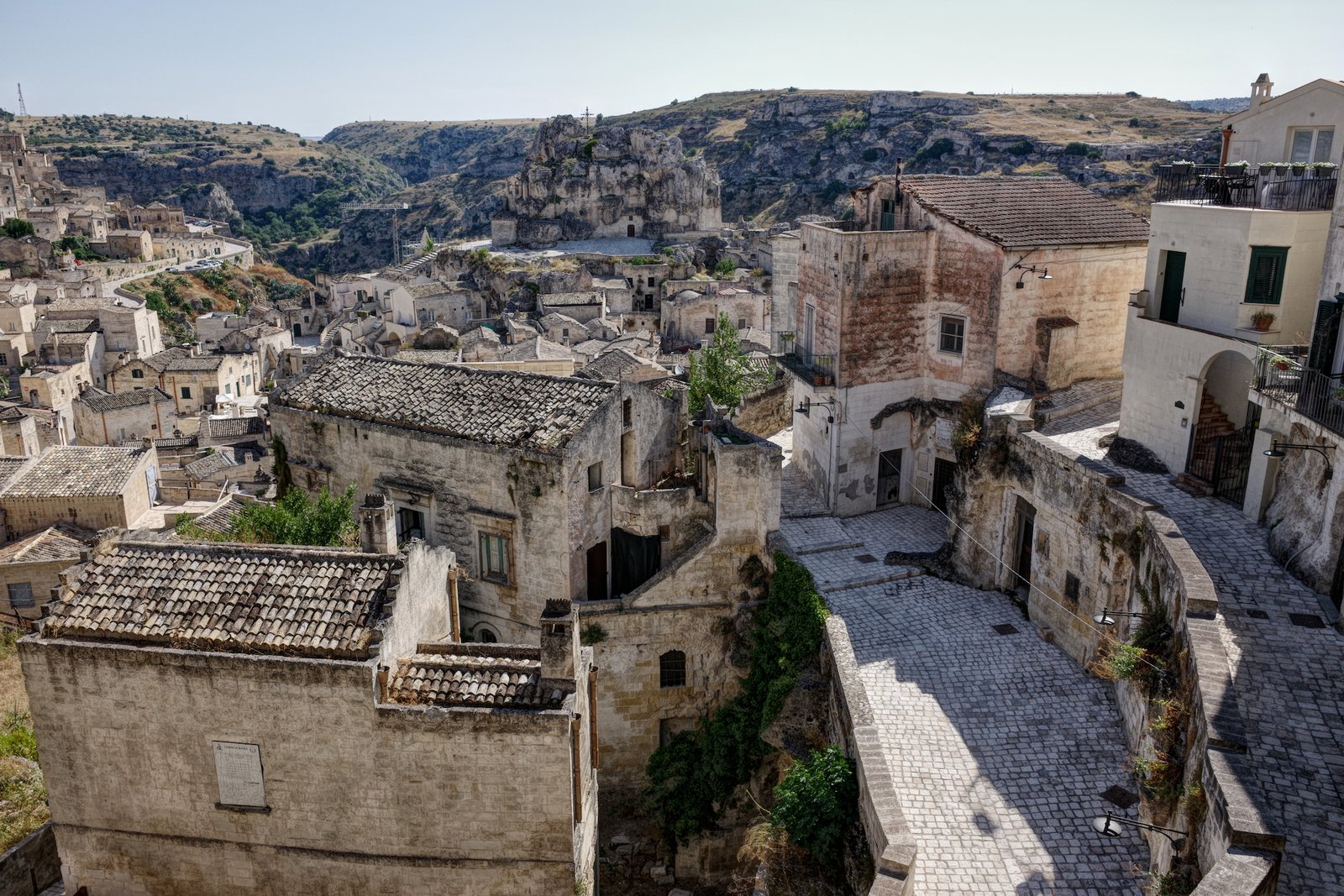
I stood on the precipice of the Gravina ravine, looking out over the ancient, cascading lines of Matera, and a profound sense of creative tension washed over me. Clinging precariously to the edge of the limestone cliffside, this southern Italian city induces a strange sort of aesthetic anxiety. It is a place that feels simultaneously immovable and perpetually on the verge of sliding into the chasm below, especially knowing that the area is prone to moderate seismic events. For the mindful photographer, however, this friction evaporates into pure revelation. Matera is not merely a geographic location. It is a living, breathing monument to the philosophy of wabi-sabi and wabi-sabi travel photography, the ancient Japanese aesthetic that finds profound beauty in the imperfect, the impermanent, and the incomplete. Finding wabi-sabi in the Stone City of Matera is an easy task. The entire city itself is an expression of sabi-sabi.
The Architecture of the Sassi di Matera: Where Nature Meets Artifice
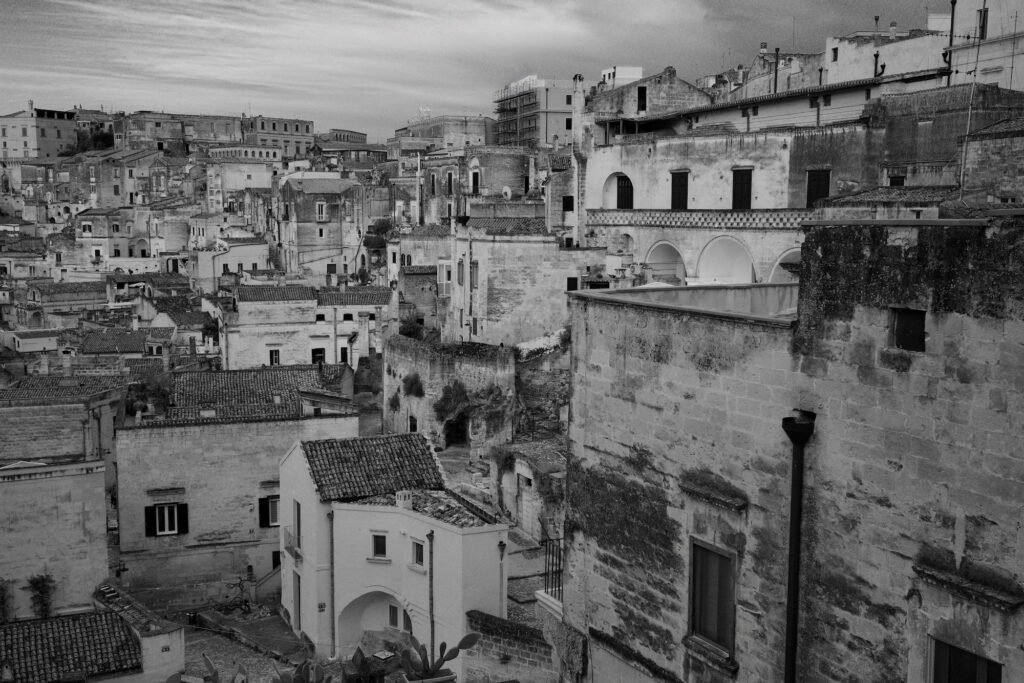
The heart of this visual philosophy resides within the Sassi di Matera, the ancient cave-dwelling districts that carve deep into the soft calcarenite rock. To walk through the Sassi is to descend into one of the oldest continuously inhabited human settlements on earth. Here, civilization was not built upon the land, but hollowed out from within it. The dwellings pile precariously atop one another in an ingenious, space-saving labyrinth where the narrow stone lanes double as the roofs of the cave-homes directly beneath. It is a stark, monochromatic world of calcified earth, where every surface bears the tactile dust of millennia.
Asymmetry and Growth
These caves were first inhabited by humans about 400,000 years ago during the Paleolithic Era. The site transitioned from being a temporary refuge to a permanent, organized settlement around 7000 BC during the Neolithic Era. During this time, early inhabitants transitioned from nomadic life to established farming, carving out more complex rock shelters and creating fortified trench villages. Because people never stopped living in these cave systems from that time up until they were evacuated for health reasons in the 1950s, Matera is widely recognized as one of the oldest continuously inhabited cities in the world.
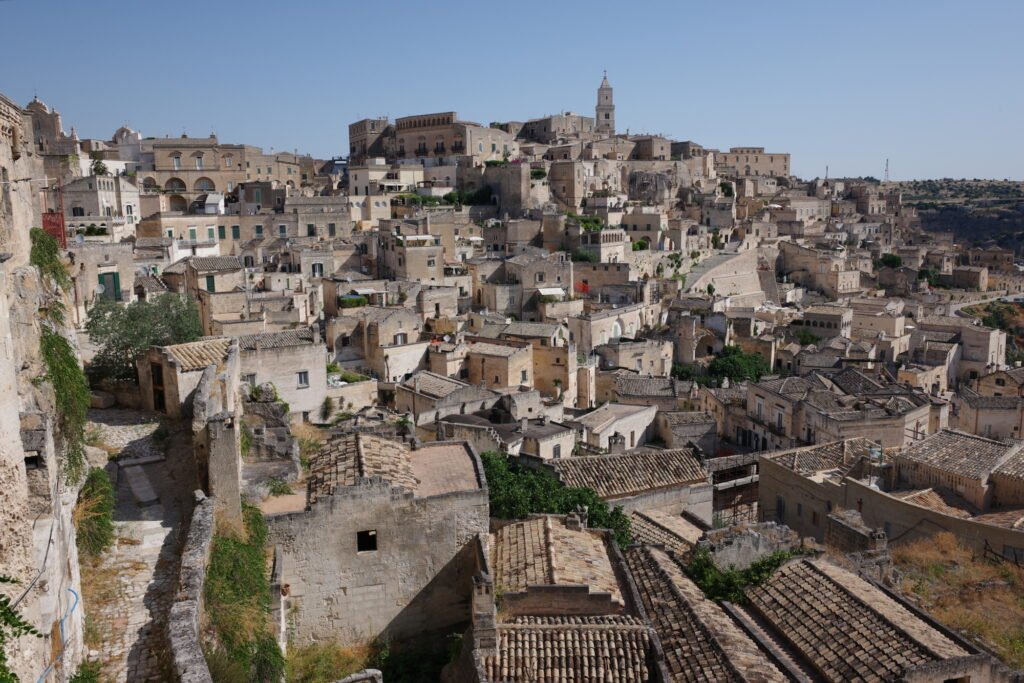
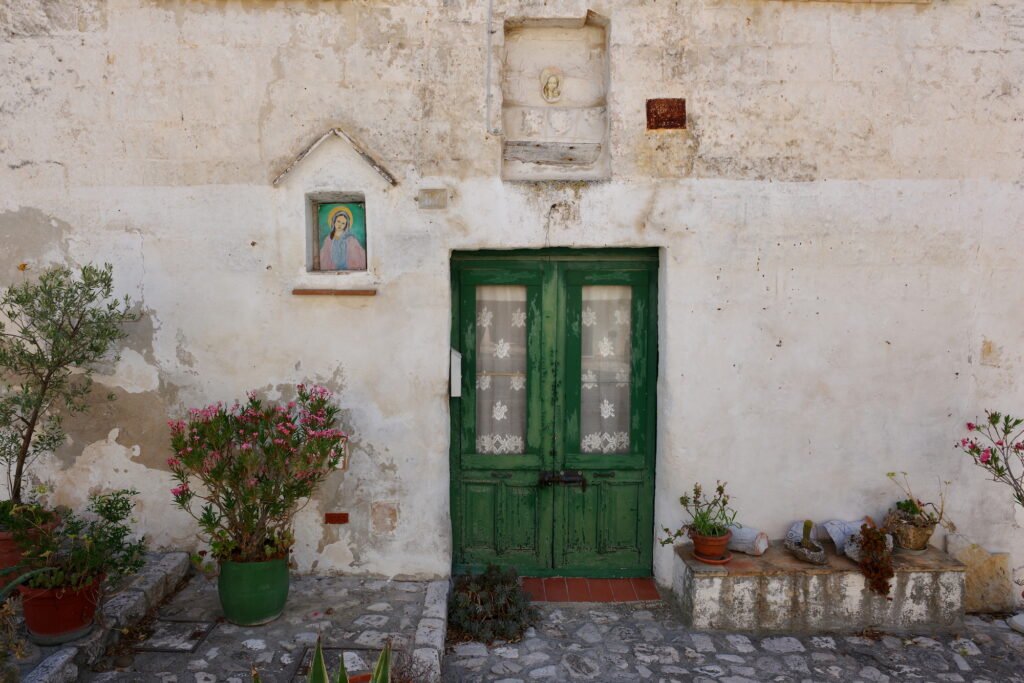
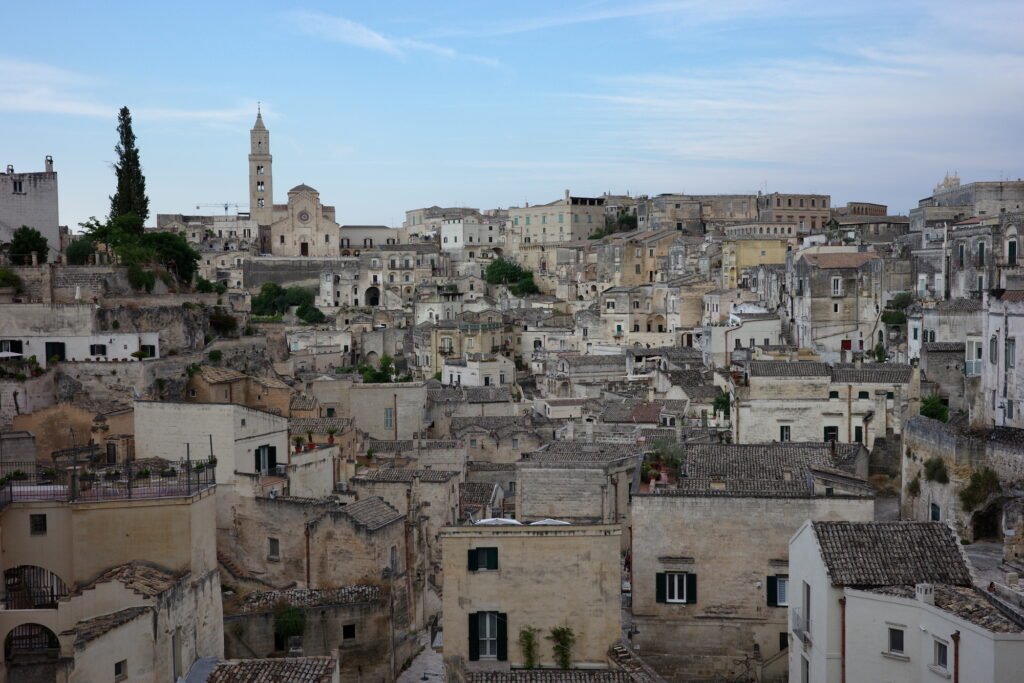
What makes the Sassi completely mesmerizing to a minimalist lens is its utter asymmetry and organic growth. There are no straight lines, no master blueprints, and no deliberate architectural grandiosity. The city expanded purely out of human necessity, fracturing and morphing over centuries like a cluster of wild lichen spreading across a canyon wall. Houses curve along the natural bends of the ravine. Staircases break sharply to accommodate a sudden drop in the stone cliff. Doors are cut directly into rugged rock faces where the mountain dictated. This complete lack of forced symmetry eliminates the sterile perfection of modern architecture, offering the eye an oddly comforting, chaotic harmony.
The Blur Between Nature and Artifice
The architecture of the Sassi beautifully embodies the wabi-sabi principle of honoring the natural world by completely blurring the boundary between the earth and human craft. Rather than imposing itself onto the landscape, Matera flows directly out of it; it is an urban ecosystem carved out of, and built into, the calcarenite cliffs. Walking through its winding pathways, it is often impossible to discern where the raw, ancient limestone canyon ends and human masonry begins. Dwellings plunge deep into subterranean caves while their facades are constructed from the very stone excavated to hollow them out. This seamless integration creates a city that feels less like a collection of constructed buildings and more like a living, organic extension of the rock itself. It is a profound testament to a time when humanity adapted intimately to nature rather than trying to conquer it.
Beauty in Scars and Transience
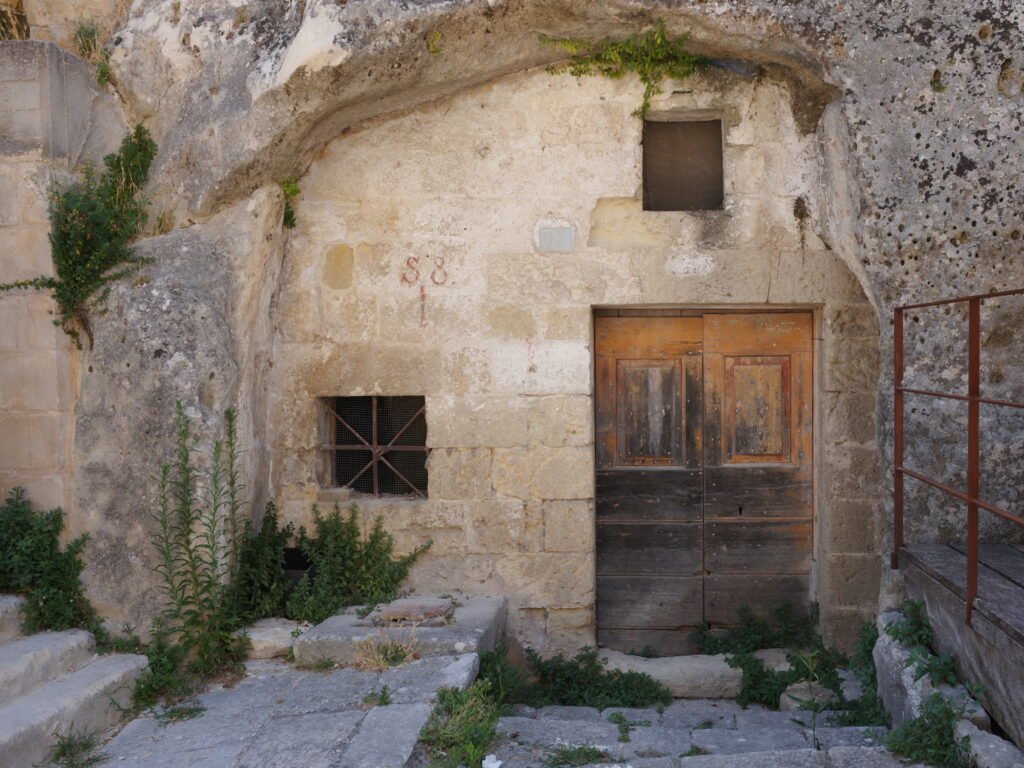
Wabi-sabi values objects and places that carry the marks of time and hardship. Matera has weathered deep cycles of poverty, abandonment, and rebirth. It wears its ancient “scars” with a proud humility, and its rugged, weathered textures of chipped tufa stone, peeling plaster, and winding stone steps tell a story of survival and impermanence. It’s modern history is remarkable for its transition from “the shame of Italy” to being a UNESCO World Heritage Site.
From the Shame of Italy to UNESCO World Heritage Site
Prior to World War II the fascist regime of Benito Mussolini used the remote, isolated region surrounding Matera as a place of political exile. In 1935 Mussolini’s government banished the anti-fascist writer, doctor, and artist Carlo Levi to the province. Levi was deeply shocked by the abysmal, disease-ridden conditions of the Sassi peasants. After the fall of the regime, Levi published his landmark 1945 memoir, Christ Stopped at Eboli. This book brought the squalor of Matera to the global stage and directly forced post-WWII Italian leaders to label it “the shame of Italy”—triggering the mass evacuations that left the city a ghost town before its ultimate UNESCO rebirth.
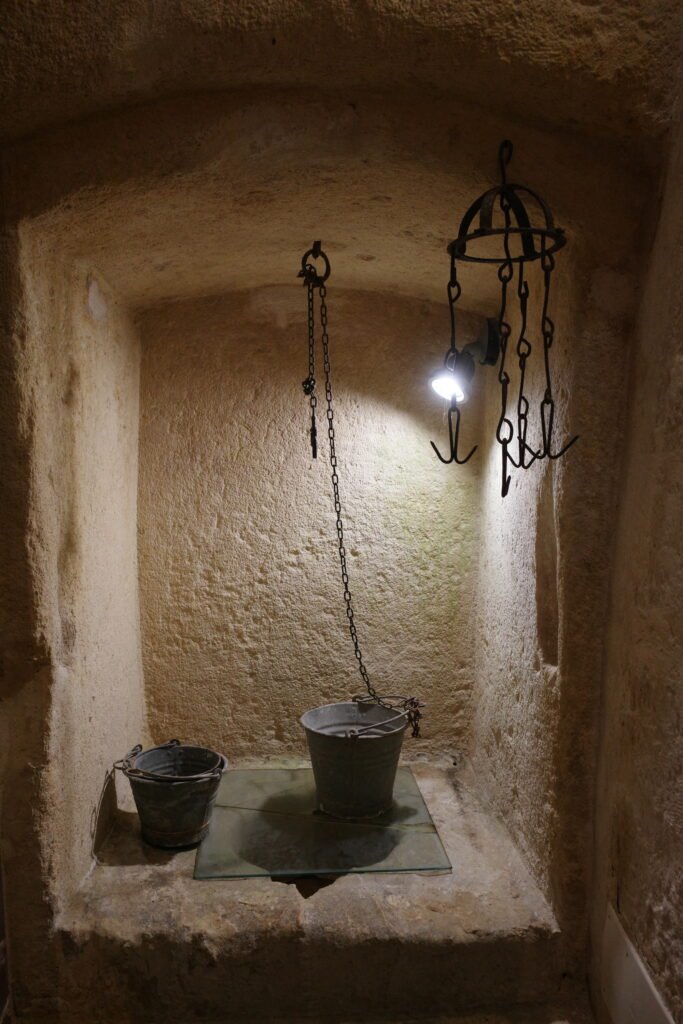
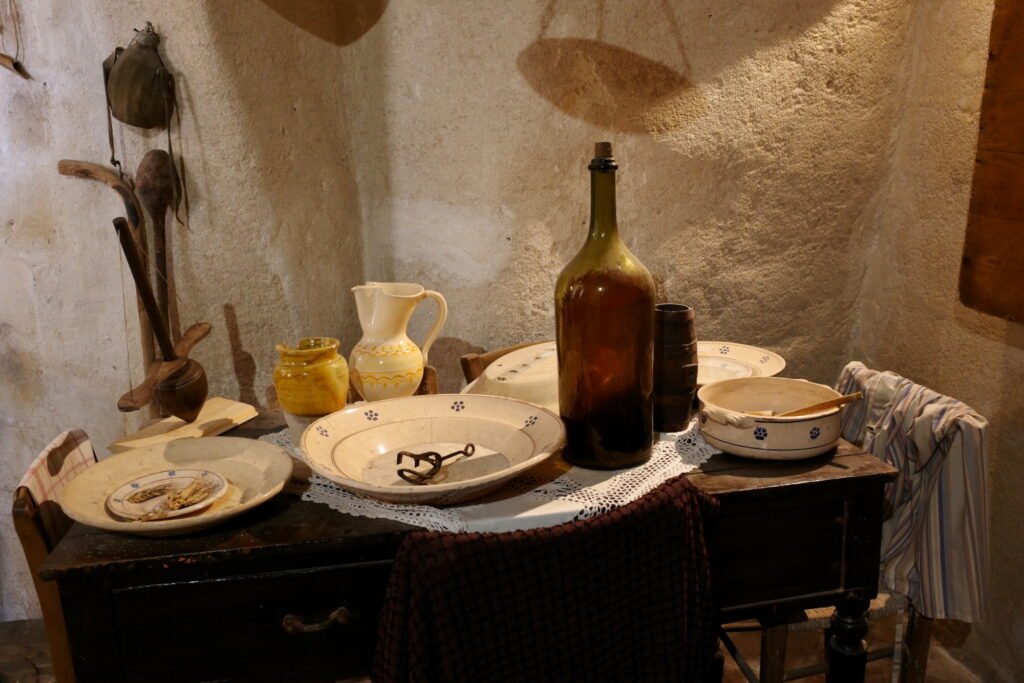
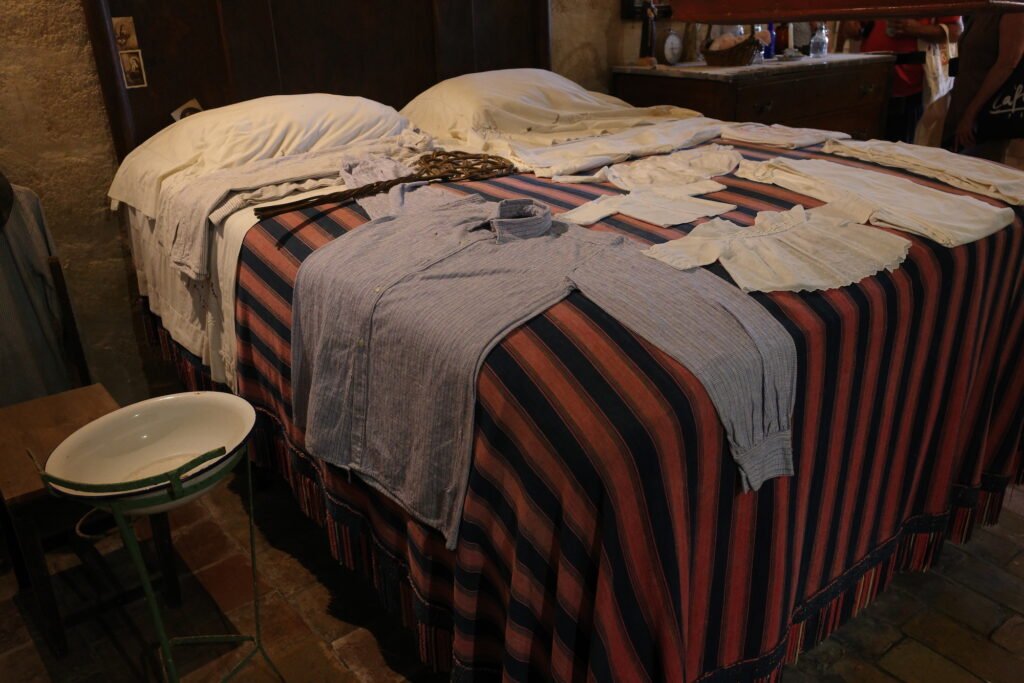
Following the mass evacuations of the 1950s, Matera transformed from a desolate, abandoned ghost town into a globally celebrated UNESCO World Heritage Site. For nearly three decades, the Sassi sat completely silent and neglected, the crumbling stone facades viewed as an embarrassing relic of national poverty. The turning point came in the late 1960s and 1970s, when a wave of local youth, artists, and cultural activists refused to let the city’s ancient identity dissolve. They began moving back into the empty caves, initiating a grassroots movement to clean, preserve, and breathe new life into the historic center. Recognizing this cultural resurgence, the Italian government passed critical conservation laws in 1986, providing the legal and financial framework needed to meticulously restore the stone dwellings. Rather than modernizing the Sassi by erasing imperfections, the restoration focused on adaptive reuse, meticulously reviving the ancient masonry while outfitting the interiors for contemporary living. This delicate balance culminated in 1993, when UNESCO officially recognized the Sassi for their exceptional, uninterrupted human history. This completed an extraordinary journey from a forgotten wasteland to a masterpiece of cultural preservation, and a living embodiment of wabi-sabi.
The Sassi di Matera: An Architectural Testament to Wabi-Sabi
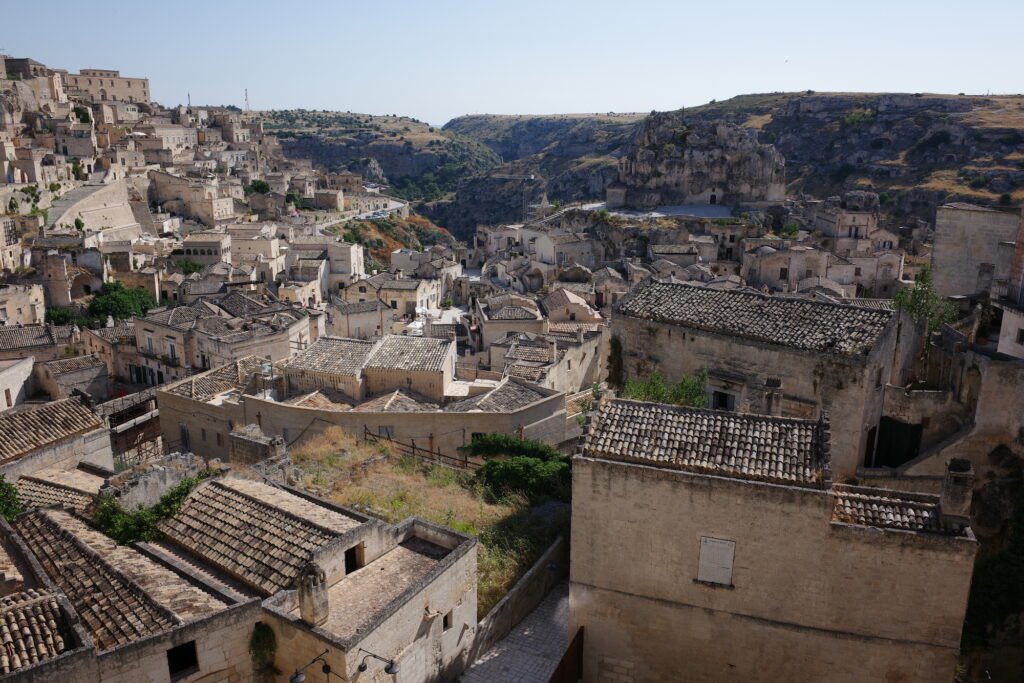
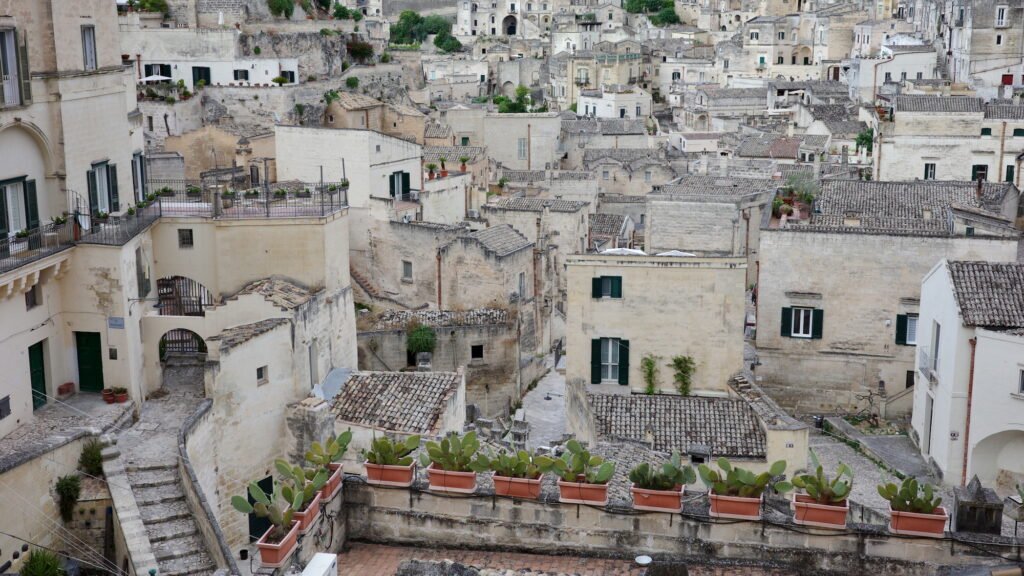
The Sassi di Matera stands as a profound architectural testament to the enduring essence of wabi-sabi, offering a living canvas where history, nature, and human resilience intertwine. From its prehistoric origins as a city of cave dwellers carved directly from the limestone canyons of southern Italy to its dramatic modern redemption, Matera honors the beauty found strictly within imperfection and impermanence. It is a city that never sought to conquer its harsh landscape, but rather chose to flow alongside it, proudly wearing its historical scars from its darkest days of abandonment to its global triumph as a UNESCO World Heritage Site. Ultimately, the Sassi teaches us that true majesty does not lie in pristine, static design, but in the weathered, asymmetric, and deeply authentic narrative of an ancient place that has gracefully weathered the passage of time.
Recommended Reading: Christ Stopped at Eboli by Carlo Levi
Shop via Bookshop.org | Amazon
To explore the minimalist tools, specialized camera settings, and creative resources used to cultivate this style of slow, presence-based observation, explore the Curated Resource Collective.
Leave a Reply